

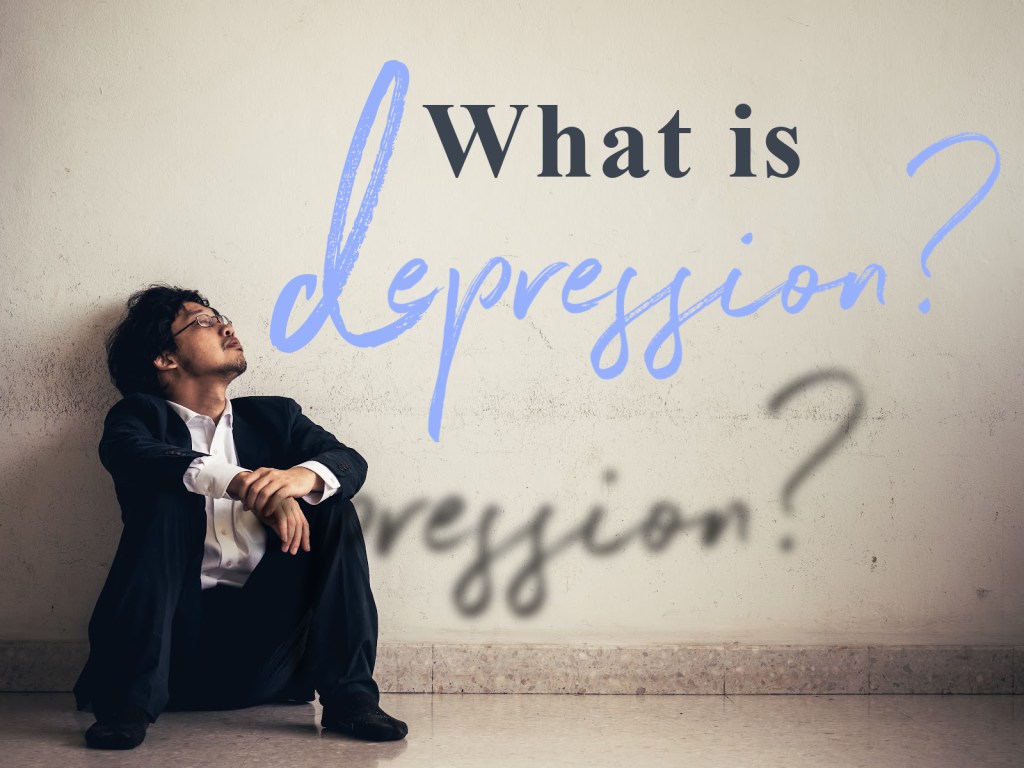
Depression is more than just a “bad day.” It is a devastating and debilitating mental health condition that affects millions of people around the world. Understanding the complexities of depression, its symptoms, causes, and treatments, can help those suffering from it regain control of their lives. If you struggle with depression, know that there is help available, and with the right treatment, it’s possible to start feeling like yourself again.
What is Depression?
Depression, often known as major depressive disorder (MDD), is a disorder characterized by persistent feelings of sadness, hopelessness, and a lack of interest or pleasure in activities once enjoyed. Depression affects a person’s thoughts, behavior, and physical health, and it can impact your daily functioning at work or in your relationships. While everyone experiences occasional sadness, depression is much more severe and lasts for weeks, months, or even years. Depression is one of the leading burdens worldwide, impacting people across all age groups, cultures, and walks of life.
What are the Symptoms of Depression?
The Diagnostic and Statistical Manual of Mental Disorders (DSM-5), published by the American Psychiatric Association, sets the symptoms of major depressive disorder. The most common symptoms of depression are:
- Depressed Mood: A persistently low or sad mood for most of the day, nearly every day.
- Loss of Interest or Pleasure: Activities that were previously fun and attractive are no longer interesting or pleasurable.
- Changes in Appetite: A noticeable change to appetite, either increased appetite or minimal appetite
- Sleep Disturbances: Difficulty sleeping due to either excessive sleeping (hypersomnia) or not sleeping enough (insomnia)
- Fatigue: Always feeling tired, and even small tasks are exhausting.
- Feelings of Worthlessness or Guilt: Excessive or inappropriate guilt, or feelings of worthlessness.
- Difficulty Concentrating: Trouble thinking, concentrating, or making decisions.
- Thoughts of Death or Suicide: Suicidal thoughts or actions, or a preoccupation with death.
- If you are experiencing severe suicidal ideation (SI) or non-suicidal self-harm (NSSI), call the 988 Lifeline or 911 for your safety.
What is the Neuroscience of Depression?
The neurological basis of depression involves complex brain chemistry, structure, and functions. One key aspect of depression is the disruption of neurotransmitters, the chemical messengers that transmit signals throughout the brain. Depression has historically been linked to imbalances in neurotransmitters such as serotonin (mood), norepinephrine (energy), and dopamine (motivation).
However, it’s important to note that newer research has identified that depression is not solely due to chemical imbalances as previously believed. It is now known that depression is the combination of genetic, environmental, and psychological factors rather than strictly chemistry.
Research has shown that depression is associated with changes in brain structure. People with depression often have reduced activity in the prefrontal cortex (emotional regulation & decision-making) and an increase in the size of the amygdala (fear processing). These neurological changes implicit in the emotional dysregulation seen in depression.
What is the Psychology of Depression?
Depression is often the combination of internal experiences and environments that influence mood. it can often develop as a cycle of negative reinforcement, beginning with negative life events. Depression often results in withdrawal from activities and social settings, further increasing feelings of ]hopelessness and spinning the vicious cycle of negative thoughts, feelings, and behaviors.
What Causes Depression?
Depression does not have a single cause. It is often a combination of genetic, biological, environmental, and psychological factors:
- Genetics: Depression can run in families, indicating that genetics may predispose you to depression. Research has shown that people with a first-degree relative with depression have a higher risk to develop the condition.
- Biology: Any event that can affect brain chemistry has the potential to contribute to depression. This can be hormonal changes, chronic illnesses, medications, etc.
- Environment: Any difficult life events, such as divorce, rejection, or financial hardship can contribute to the development of depression.
- Psychology: People with a history of other mental health issues, low self-esteem, or inclination toward negative thinking may be more susceptible to depression.
What are the Treatments for Depression?
The Good news is that depression is treatable in a variety of ways. Treatment methods for depression often include a combination of therapy, medication, and lifestyle changes.
- Psychotherapy: Cognitive-behavioral therapy (CBT) is one of the most effective treatments for depression. It helps individuals identify negative thought patterns and replace them with healthier, more positive ways of thinking.
- Medications: Selective serotonin reuptake inhibitors (SSRIs) or serotonin-norepinephrine reuptake inhibitors (SNRIs) are commonly prescribed to help balance neurotransmitters in the brain. These medications can take several weeks to start showing effects, and it may take some trial and error to find the right medication or dosage.
- Lifestyle Changes: Exercise and adequate sleep are crucial in managing depression. Both have been shown to boost mood and reduce symptoms of depression.
- Social Support: Social health is important. Having a strong support network of friends or family can be crucial for those suffering from depression.
Conclusion
Depression is no joke. If you or someone you know is struggling with depression, it’s important to seek help. With the right treatment and support, it is possible to feel like yourself again. Depression is complex, but recovery is achievable through therapy, medication, and lifestyle changes. Remember, you’re not alone, and help is available.
Sources
Wray, N. R., Ripke, S., Mattheisen, M., Trzaskowski, M., Byrne, E. M., & Consortium, S. (2025, January 14). Scientists find hundreds more genetic risk factors for depression. The Guardian.
American Psychiatric Association. (2013). Diagnostic and Statistical Manual of Mental Disorders (5th ed.). Arlington, VA: American Psychiatric Association.
National Institute of Mental Health. (2021). Depression. Retrieved from https://www.nimh.nih.gov/health/topics/depression
Mayo Clinic. (2021). Depression. Retrieved from https://www.mayoclinic.org/diseases-conditions/depression
Moncrieff, J., & Horowitz, M. (2022, July 20). Analysis: Depression is probably not caused by a chemical imbalance in the brain – new study. University College London.
Subscribe & Share!


Leave a comment