

By: Camden Baucke MS LLP
To cry is to be human. From an early age, we’re taught about what it means to cry.
As children, we cry to be taken care of. As adults, we cry to take care of ourselves.
There’s plenty of bias against people who cry, but there’s a strong biological, social, and psychological foundation for it. It’s important to know what crying is, what it isn’t, and how to let yourself do it.
The Biological Purpose of Crying
First and foremost, crying is a biological mechanism to protect our eyes.
Tears keeps our eyes healthy by lubricating them, cleaning debris, and protecting them with antimicrobial enzymes. Crying, at it’s very least, keeps your eyes healthy.
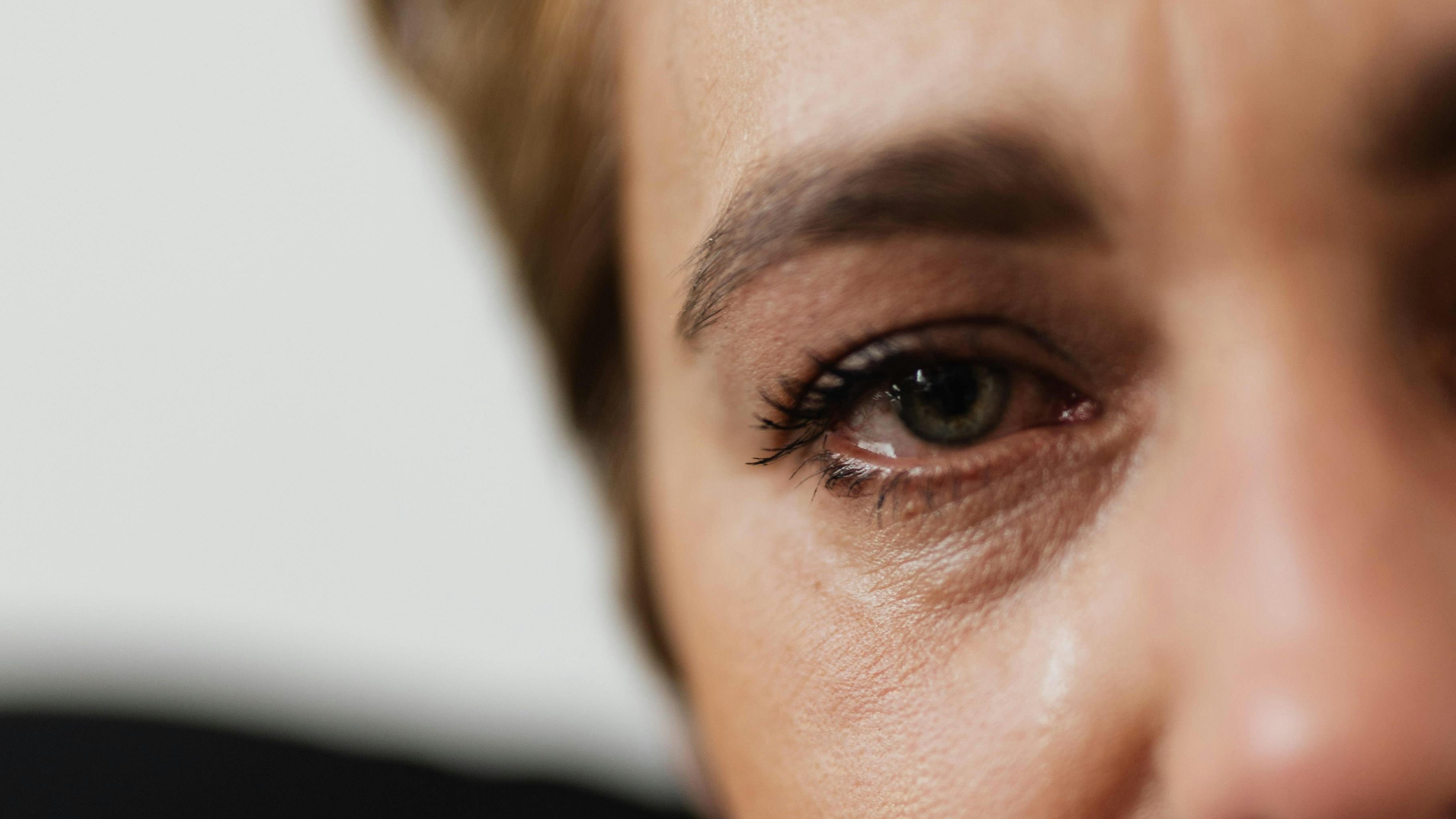
When it comes to crying, there are three types of tears: (1) basal tears (2) reflex tears & (3) emotional tears.
Basal and reflex tears are self-explanatory. If something gets in your eye, or your brain decides to protect your eyes, you release these healing tears.
However, emotional tears are very interesting as well.
Crying starts with the activation of the sympathetic nervous system (SNS), which is our stress response that includes increased heart rate, increased respirations, and cortisol release. This is typically when we face the brunt of the emotions behind crying.
However, when tears start to stream down your face, the body’s parasympathetic nervous system (PNS) kicks in, which calms the body. The body also releases hormones like endorphins, which provide a sense of relief.
A swift transition from stress to relief is often related to what’s happening in our minds as well.
The Psychology of Crying
Crying often occurs in response to pain. Psychologically, this could be a variety of pains such as anxious pain, depressive pain, grief, loss, etc.
A crucial part of psychological health is processing the entirety of your pain. Emotions are meant to be expressed and felt, not bottled away.
If you suppress your pain, the bottle eventually becomes full and explodes in a burst of anger, panic, or frustration. To address this in therapy, we use a technique called radical acceptance, which means facing your emotions head on. If you want to heal from something, you must radically accept what happened and how it made you feel.
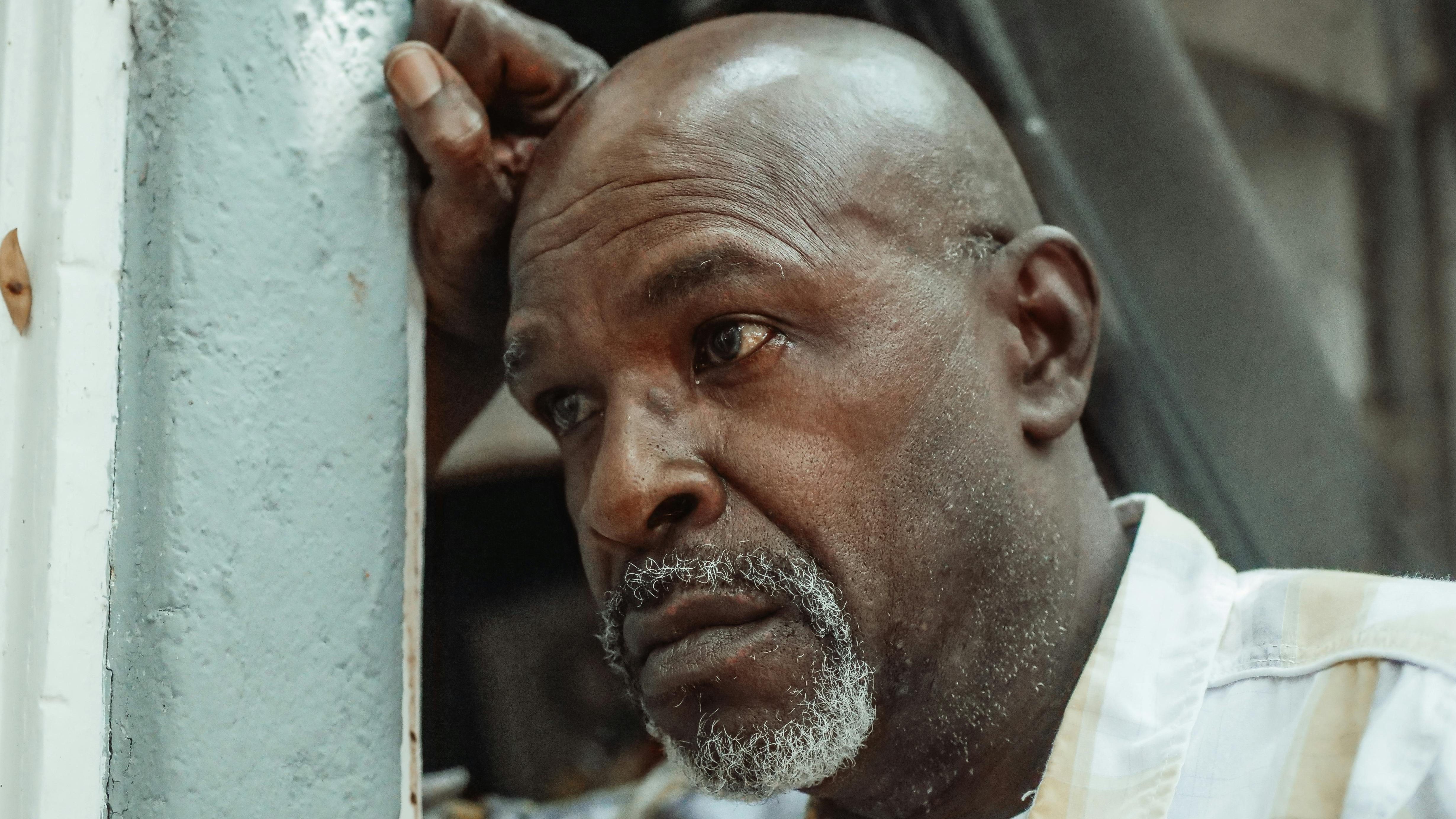
Psychologically, it is healthiest to allow yourself to cry, if you feel called to, when you experience emotional pain. Your body naturally rewards you will feelings of calmness and relief. Crying allows for improved mood and clarity once you have processed your emotions.
Crying is a natural and necessary process for tackling difficult experiences in life. Not only is it good for your eyes and mind, but for your relationships as well.
Why Crying Improves Social Connection
Children start crying the moment they’re born, signaling their needs to their caregivers. How a parent responds to their child’s crying is crucial for a healthy development. Once a child grows up, they no longer depend on crying to their caregivers for help. However, it doesn’t mean that crying stops having social value.
When you cry as an adult, it can attract the attention of others. Crying also happens to stimulate the release of oxytocin, which helps increases feelings of closeness with others.

When you exhibit your pain through crying, you give others the opportunity to show you love, empathy, and compassion. It might feel embarrassing, but if someone treats you well when you cry, you have just strengthened that relationship with vulnerability.
All that to say, crying can sometimes be used to socially manipulate. Some individuals might use pretend or “alligator” tears to trigger a nurturing response from others. This usually happens when someone resists accountability, thus they evoke the empathy of others by crying. But not all tears are manipulative.
In fact, there’s a world of things that crying doesn’t mean.
6 Things that Crying DOESN’T Mean
1. It doesn’t mean you’re weak
Crying is not a sign of weakness, it is a sign of emotional intelligence and healthy living. The connection between weakness and crying is an age-old rule that has no applicable authority or truth.
2. It doesn’t mean you’re too feminine
Crying is not a banner of femininity. The thought itself is an outdated and sexist belief. Crying is a physiological and psychological component of the human experience, not limited to any sex or gender.
3. It doesn’t mean you’re “too needy”
Crying does not indicate a “neediness” or imposed sense of importance. Everyone deserves to cry when they face their pain. Feeling too “needy” may just be reminiscent of a time when others accused you of being so. Authentic pain creates authentic tears.
4. It doesn’t mean you’re childish
Crying doesn’t mean you’re childish. If you can continue crying after childhood, and it’s healthy for the brain and body, turns out it’s not juvenile at all. Adults should cry to take care of themselves and seek support when they need it. If you can cry, you might actually be a healthier adult.
5. It doesn’t mean you’re attention-seeking
Crying is not attention-seeking. For children it might be, but for adults it has a different function. If someone is trying to escape accountability with it, then that context means it’s being used for that purpose. However, crying in general is not automatically manipulative or attention-seeking.
6. It doesn’t mean others must be the “strong” one
Crying doesn’t mean someone else has to be “strong” for you. If you cry, that doesn’t mean you are burdening anyone with anything. You are not asking for someone to prioritize your feelings or to be your “rock”. If someone wants to listen, that’s great! If not, you deserve time to cry on your own as well. Crying is for you and you alone.
Final Thoughts
The act of crying is a fascinating and fundamental part of the human experience.
Your tears keep your eyes healthy, and crying brings your pain to the forefront so it can be processed and addressed.
Your body rewards your expression by releasing endorphins and oxytocin, to feel relief and to feel closer to anyone who listened.
Crying is not weak, childish, needy, feminine, attention-seeking, or burdensome. It is a psychologically and biologically ingrained mechanism designed for our benefit.
So the next time you feel the tickle on the tip of your nose, and the tears well up under your eyes, know that your choice to cry is a healthy one.


Leave a Reply