


Procrastination is something you’ve probably experienced before. It can be an occasional behavior or feel like a life-long companion. We’ve all heard it, and occasionally experienced it, but what is procrastination really? Turns out procrastination is more than just a lack of motivation or occasional nervousness. It’s a complex interaction between your mind, body, emotions, and behaviors. Procrastination can snowball and not seem to stop. In this article, we will explore what procrastination is, the science behind it, and how to move forward.
What Is Procrastination?
To uncover what procrastination is, we need to look at what procrastination is not. It’s not laziness, lack of motivation, or rebellion. Procrastination means little to nothing about character or personality. Instead, procrastination is a cognitive process that results in somatic experiences. Essentially, procrastination is rooted in psychology and neuroscience. From this approach, procrastination is a cycle of discomfort and avoidance. It is not just our thoughts, our brain, or our body. It is a combination of each, and understanding this interplay is the first step to addressing procrastination.
The Neuroscience of Procrastination
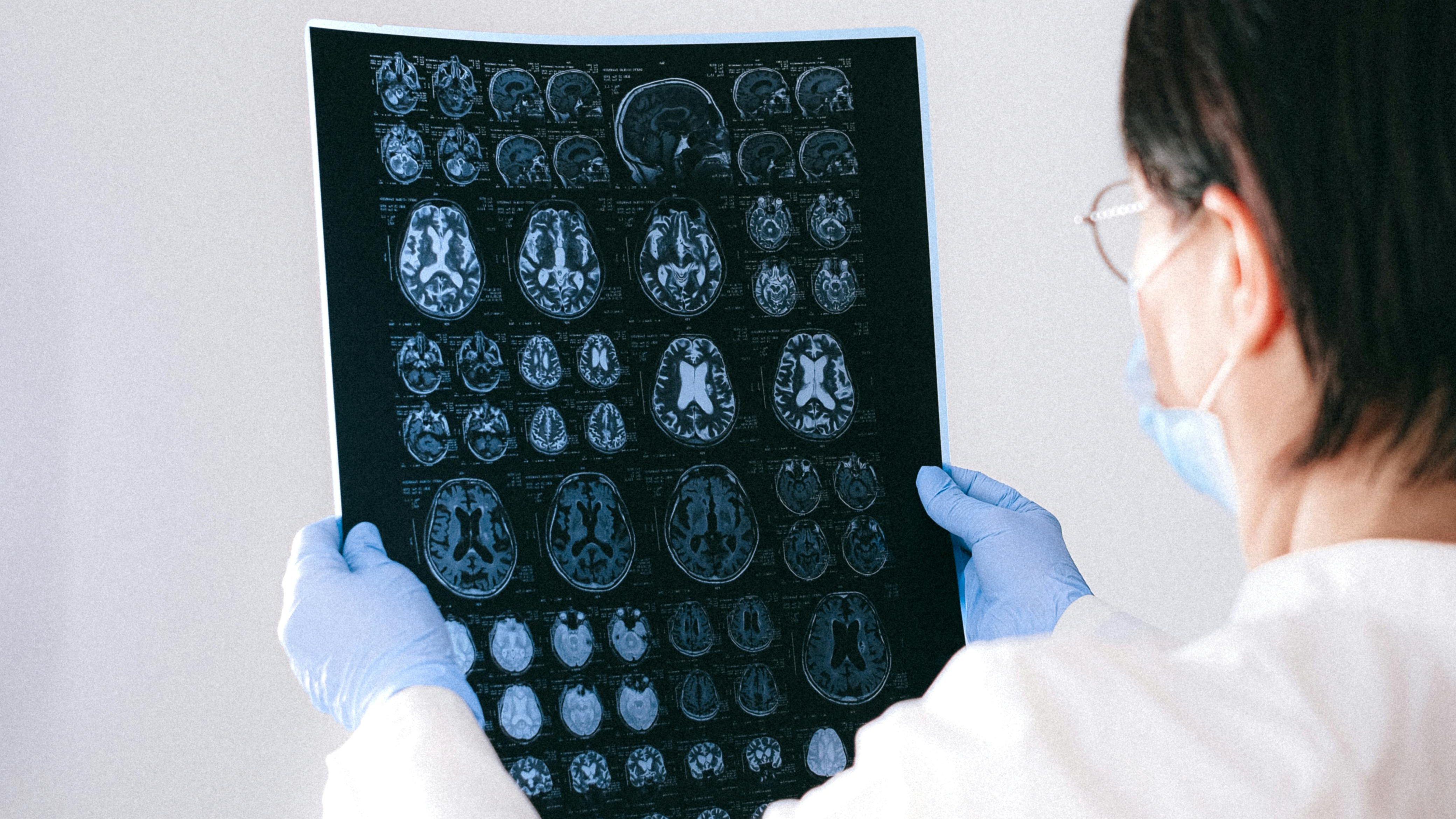
Procrastination is closely tied to how our brains process stress. At its core, the amygdala, the brain’s center for assessing threats and fear, plays a significant role. You’ve likely heard, or felt, the fight, flight, or freeze response. This is a mechanism meant to fend off threats. The brain sends signals down through the body telling your muscles and heart to prepare for battle. Cortisol, the stress hormone, is released as well as adrenaline, which increases heart rate and blood pressure. This is to make sure that the nutrients in your blood sufficiently fuel your muscles in time of need. However, this alarm system disrupts another two key areas of the brain responsible for executive functioning.
The anterior cingulate cortex (ACC) and the right dorsolateral prefrontal cortex (dlPFC) are crucial for executive function. These two areas are responsible for impulse control, attention, and decision making. Think of executive function as a business executive; the big shot CEO making the decisions and determining what the next best decision is for the company. This CEO is informed daily by the risk management team (the amygdala) to inform how the CEO should direct the business based on potential threats. Essentially, this team is what we call self-control. However, when the alarm sounds, our self-control can go to the wind. Research has found that the CEO (ACC and dlPFC) are dramatically affected when threatened by consequences.
“procrastinators’ executive deficits are particularly strong when punishment is expected.” (Michałowski, 2020)
Thus, procrastination is when the amygdala fires off the alarm, disrupting the CEO’s (ACC and dlPFC) ability to control attention or behaviors. This leads to avoidant behaviors, which in turn pushes away the impending threat. This means that procrastination is strong when our brains anticipate the pain of punishment. The nature of that punishment is what takes us to the psychological aspect of procrastination.
The Psychology of Procrastination

Expectations are often the psychological roots of procrastination. Expectations are predictions for how you will perform and for the consequences of your performance. That is why anxiety or sometimes obsessive-compulsive disorders are paired with procrastination, as it is the exacerbation of the risk management team (amygdala) in your brain. Not all procrastination means you have a diagnosis. However, when procrastination builds to the point of disrupting areas of your life and health, then it is worth figuring out what punishment you expect and how you came to expect it.
Expectations are standards created through learning. The expectations in procrastination are paired with punishment and it is the negative consequence we face for failure. You could have learned about these consequences because you experienced it, were taught it, or watched it happen to someone else. The punishment for failure often dominates our intention for a task. With fear of failure, school isn’t about learning anymore, it’s about not failing. Sports is not about enjoyment anymore, it’s about not losing. Expectations can easily taint healthy motivations into desperate attempts to avoid failure.
However, what if you’re so certain that you will fail? If you know that down the road you will meet that inevitable punishment, why even start walking? Your brain, to protect itself, will ask you to go do anything else, especially things that numb that dread. Let’s use an example.
Dave the Procrastinator

Meet Dave. He is a college student and has been struggling with procrastination ever since high school, but now it’s starting to hurt his grades. He can’t get himself to sit down and even type the first words of his homework. Dave attempts again and again, but he ends up watching Youtube, scrolling Instagram, or watching TV.
Before college, Dave used to live at home with his younger brother, who was always much more troublesome. His brother would often get poor grades and this would place lots of stress on his parents. Dave even heard his parents saying that his brother is a lost cause because of his lack of success. As a result, Dave learned from his experience and created expectations for himself. He has made it an unconscious point to be successful or else become a lost cause. His lesson has become the standard, and failure means facing that punishment.
As a result, Dave has strived hard in school, but college is much harder than high school. The increased difficulty is challenging, and it makes Dave much more concerned that he won’t succeed. Dave’s amygdala begins to sound the alarm and his CEO (ACC & dlPFC) starts to panic. Dave sits down to type his paper, but it could be the first step towards failure and the punishment of being a lost cause.
The consequence feels certain, thus your amygdala shouts even louder. To momentarily escape the path of punishment, the brain and body seek avoidance. However, the paper does not get done until the last possible minute, when the brain knows it can not wait any longer before catastrophe. Dave frantically types his paper at 11:00pm an hour before it’s due, and it’s not a great paper. Dave gets a poor grade, which only confirms his amygdala’s fear and brings his feared punishment even closer. As a result, Dave’s learned fear of punishment creates an unhealthy expectation that alarms the brain, which results in avoidant behaviors that creates a cycle of worsening anxiety. This is the interplay of psychology and neuroscience in procrastination
How to Overcome Procrastination

The good news is that Dave is not doomed, and neither are you. Procrastination is not permanent. With the right strategies, you can get the CEO back in control. To do so, you have to figure out what you can do on your own and what you need help for.
What to Do on Your Own
- Engage in regular exercise to reduce stress levels
- Practice self-calming techniques such as progressive muscle relaxation, deep breathing, and meditation
- Challenge your expectations of what will happen if you fail
- Journal frequently to figure to become more aware of your expectations
What You Need Help With
- Talk with trusted people in your life who can be there to support you
- Ask for help from bosses, teachers, or family if you need help at work, in school, or at home
- Seek Therapy to discover the reason why you expect such punishment for failure
Conclusion
Procrastination is not laziness or poor character – it’s a complex interplay of your mind, body, and brain. Overcoming procrastination starts with recognizing your fears and working to separate them from the reality of the present. It takes effort to untangle expectations, but it’s possible. On the other side of addressing procrastination is the confidence to tackle the challenges you want to face.
Please Subscribe!



Keywords: procrastination, anxiety, fight or flight, amygdala, overcoming procrastination, mental health, cognitive restructuring, procrastination neuroscience, procrastination psychology, ACT therapy, stress management techniques
Sources:
Michałowski JM, Wiwatowska E, Weymar M. Brain potentials reveal reduced attention and error-processing during a monetary Go/No-Go task in procrastination. Sci Rep. 2020 Nov 12;10(1):19678. doi: 10.1038/s41598-020-75311-2. PMID: 33184299; PMCID: PMC7661523.

 Reflections
Leave a reply to Impostor Syndrome: Why You Don’t Think You’re Enough & How to Build Confidence in 10 Minutes a Day – Reflections – Great Lakes Mental Health Cancel reply