
By: Camden Baucke MS LLP
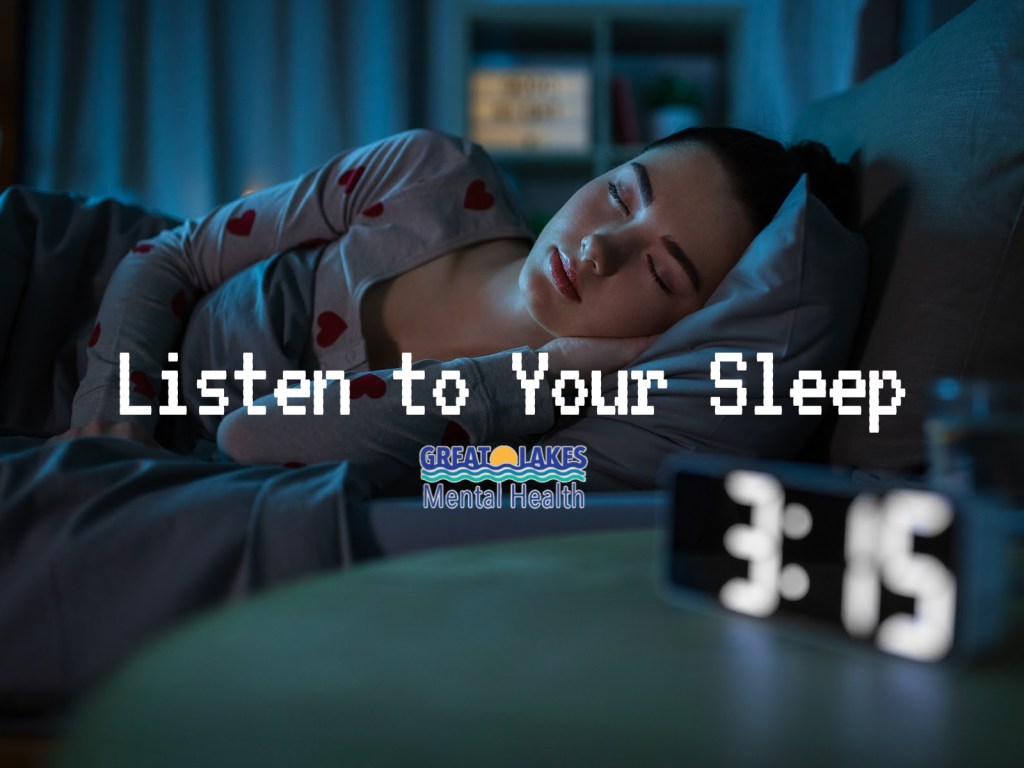
Sleep plays a crucial role in many mental health disorders, including anxiety and depression. Whether it’s trouble falling asleep, getting too little or too much sleep, or difficulty getting out of bed, sleep often acts as a signal. Sleep, like hunger, comes with cues that are essential to recognize. It is central to the human experience, as it occupies a significant part of our day and is directly connected to the state of our body and mind. It may be telling you important things—things you shouldn’t ignore.
Negative Outcomes of Poor Sleep
Poor sleep is linked to various psychological conditions such as depression and anxiety, but it also has a detrimental impact on physical health. Research shows that poor sleep contributes to high blood pressure, heart disease, diabetes, and even Alzheimer’s disease. On a daily basis, it can result in a poor mood, reduced focus, impaired memory, and decreased precision, coordination, and self-control (Startsleeping.org). A lack of quality sleep can have devastating effects on your overall well-being.

Quality and Quantity of Sleep
The quantity of sleep refers to the number of hours slept, and this varies depending on age and circumstance. For example, a teenager (14-17 years old) typically needs 8 to 10 hours of sleep, while an adult (26-64 years old) generally requires 7 to 9 hours of sleep per night. If you’re curious about the amount of sleep you need, visit sleep.com for more information. The quality of sleep refers to how restful the sleep is. Restfulness is critical for feeling rejuvenated. When both the quality and quantity of sleep fall outside normal ranges, it’s essential to understand what your sleep is telling you.
How to Listen to Your Sleep:
Sleep occurs in patterns, and it’s important to document those patterns over time. You don’t need to force yourself into a strict schedule, but tracking your sleep habits can be insightful. Here are some questions to help you start listening to your sleep:
- How many hours of sleep are you getting a night?
- How rested do you feel when you wake up (on a scale of 1-10)?
- What time do you regularly go to bed?
- What time do you regularly wake up?
- How long does it take you to fall asleep?
- How long does it take you to wake up in the morning?
- Do you need to listen to or watch something before bed?
- Do you use media immediately after waking up?
Answering these questions daily can help you observe patterns in your sleep. Take 5 to 10 minutes each day to document your sleep habits. There are various apps and digital tools that can help with tracking your sleep, making the process more convenient.

Signs to Look Out For
#1: Not Enough Sleep
A lack of sleep can arise from many factors, including unmet emotional needs. Just like hunger cues, sleep cues are a form of self-care. Take some time to evaluate what needs aren’t being met.
#2: Taking More than 30 Minutes to Fall Asleep
This could signal that your brain isn’t relaxing into a restful state. Anxiety often causes racing thoughts that make it hard to sleep. You might be ruminating on events from the day or worrying about tomorrow.
#3: Needing Media to Fall Asleep:
Using media to calm anxiety or depression before bed can backfire, as activities like doomscrolling on Instagram or watching intense shows may exacerbate the issue.
#4: Taking More than 30 Minutes to Get Out of Bed:
Depression often presents itself as difficulty getting out of bed. Anxiety can also make you freeze in the morning, dreading the day ahead.
#5: Using Media Immediately After Waking Up:
Just as with falling asleep, using media in the morning may signal avoidance behavior. You could be trying to distract yourself from something overwhelming in your life that needs to be addressed.
#6: Persistent Nightmares:
Occasional nightmares are normal, but frequent, repetitive nightmares may indicate deeper psychological distress or trauma that needs attention.

The Beginning of Self-Care
Recognizing patterns in your sleep can help you identify mental health needs. Once you identify these patterns, it’s important to evaluate the context surrounding them, along with other symptoms you may experience throughout the day. Therapy can be an essential tool in addressing these negative signs. Cognitive Behavioral Therapy for Insomnia (CBT-I) is a form of behavioral therapy that specifically targets sleep, but many other treatment methods can address issues related to sleep. Document your sleep, listen to what it’s telling you, and take action. Don’t just notice your own pain—validate it, and advocate for yourself by seeking help.
Thank you for reading & Please Subscribe!



Want to Learn More?
If you’re interest in starting your own therapy journey, please click on the following link to learn more about our qualified and caring therapists!


 Reflections
Leave a comment