

By: Camden Baucke MS LLP
The Olympics have always been a story of competition, triumph, and defeat. Behind the strong muscles and lightning speed is the mind of the athlete. Olympic athletes face the immense pressure and crushing weight of expectations. Through these challenges, we can actively watch the mental health of an athlete come into play. Through their journey, we can learn about what it means to apply mental health to performance. Where we can apply resilience, focus, and self-control to our daily lives. You don’t have to be an Olympic athlete to cultivate mental agility.
What is Mental Agility?
Mental agility refers to the state of well-being where you can effectively cope with stress and continue to reach goals. It includes the ability to manage emotions, stay focused on your goals, and work through setbacks.
Like physical agility, this takes consistent effort and practice to master. It is a mental muscle to strengthen through mindfulness, self-care, and positive self-talk. Here are three components of mental agility, and what you can do to cultivate them:
#1 Focus Through Mindfulness
Focus is the directed attention we give to what we do. In the Olympics, athletes must be fully concentrated and free from distractions or self-doubt. They must focus on their performance while under pressure to succeed. To stay present in the moment, so they do their best, these athletes must be mindful of their situation.
Like an Olympian, you can foster mindfulness to enhance your focus. When you are practicing or competing, take some time to ground yourself to the room you’re in. Once you lose the distraction of outcomes, you can truly focus on the task at hand. Apolo Ohno, a world famous speed skater, said the following about mental health in the Olympics:
“we can never lose sight of the powerful form of the journey to get there…while we might not always be able to control these outcomes, in that process is where the true prize can actually be” – Apolo Ohno
Resilience Through Positive Self-Talk
Resilience is best described as “bend not break.” It is the ability to recover from setbacks and it is vital to pursuing any goal. Olympic athletes recover from injuries, losses, or hiccups all the time.
From their example, we can see that resilience is not about avoiding challenges. It is about giving yourself room to be imperfect, so that you can strive to do better.
This comes from self-compassion and positive self-talk. If you can talk kindly to yourself in times of difficulty, you can keep moving forward. Positive self-talk develops resilience, protects your mental health, and allows you to bend, not break. For example, Simone Biles, a world famous gymnast, battled with mental health issues in the last Olympics. This week, she is returning stronger than ever and with thunderous applause.
“It’s okay sometimes to sit out the big competitions to focus on yourself because it shows how strong of a competitor and person that you really are, rather than just battle through it.” – Simone Biles
Emotional Regulation Through Self-Care & Support
Emotional regulation is managing your emotions in a way conducive to your mental health. For Olympic athletes, this means recognizing how they feel throughout the highs and lows of competition. They control their response to their emotions to sustain their performance and achieve their goals.
From their example, we can emulate their self-awareness, self-calming, and humility. Feeling negative emotions is not weak, and neither is seeking help for them. Understanding you have needs that you can’t meet alone is an indicator of strength, not weakness. Michael Phelps, the most successful Olympian in history, said the following:
“I think it’s okay to not be okay… It’s okay to go through rough times, but the most important thing is to seek help” – Michael Phelps
Conclusion
The Olympics resemble the human story; goals, challenges, and outcomes. Their stories are opportunities to learn more about ourselves. The mental agility displayed in these games gives everyone a chance to have an Olympic mindset of their own.
By being mindful in your performance, you can focus without distraction. If you can treat yourself kindly through challenges, then you can pick yourself back up. You can achieve great things through managing your emotions, or seeking help when you need it.
Whether you’re seeking goals of athletic excellence, professional achievement, or personal growth, developing mental agility is vital to the journey. Like any sport or action, mental agility takes time, patience, and practice. Becoming an advocate for yourself is an Olympic feat, but it’s possible.
Want to Learn More?
If you’d like to know more about mental health, or start a therapy journey of your own, click the link to learn more!
-

Do You Need to Grow?
Self-improvement influences many aspects of life, but its value hinges on motivation and purpose. Growth is beneficial when aligned with meaningful goals, but unhealthy when driven by fear or harmful motives. It’s crucial to assess whether growth is necessary, ensuring that personal sacrifices lead to genuine fulfillment and balance in life.
-
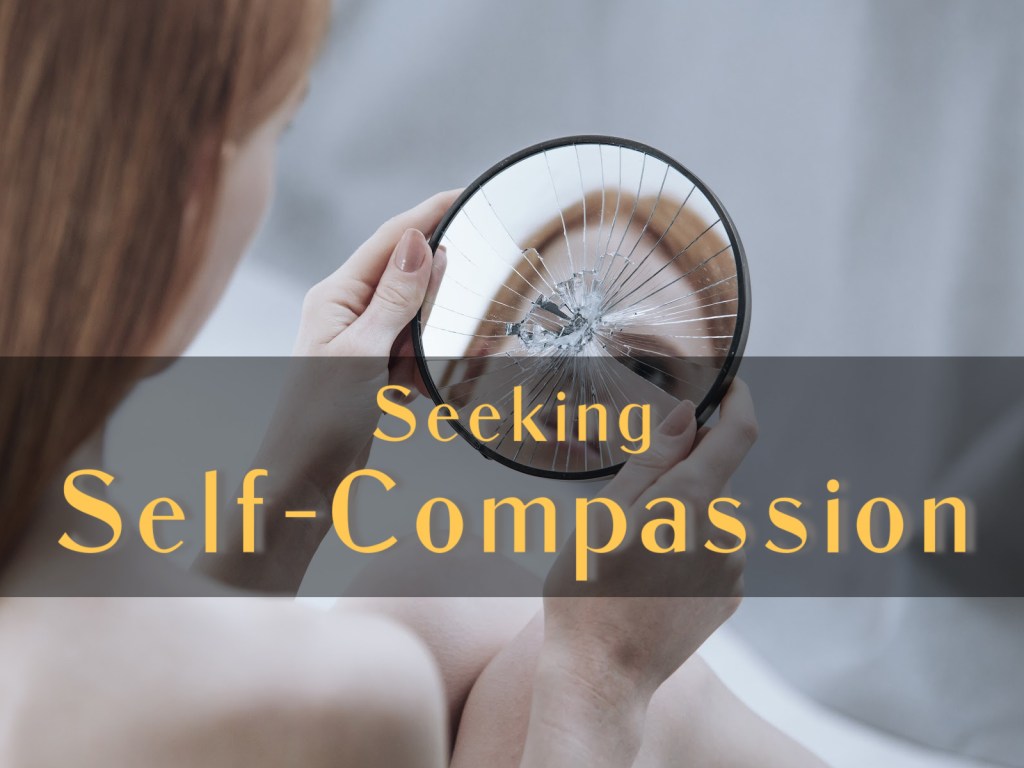
Seeking Self-Compassion
Self-compassion, often misunderstood as weakness, plays a crucial role in fostering a healthy mindset. It enables individuals to move past mistakes and face life’s challenges. Embracing self-compassion involves acknowledging difficulties and extending kindness to oneself, facilitating emotional healing, resilience, and personal growth through practices developed over time.
-

Resentment: Why Do You Struggle to Move on From Anger?
Resentment is a growing psychological phenomenon resulting from unresolved anger that affects quality of life. It often arises when individuals cannot express their anger. To mitigate resentment, one must develop a healthy relationship with anger and confront it constructively. Early emotional release is essential for mental well-being and healthier connections.
-

What is Anxiety & How to Reduce Stress
Anxiety is a widespread mental health condition characterized by excessive worry, physical symptoms, and impaired daily functioning. It can stem from genetic, biological, psychological, and environmental factors. Treatment options include therapy, medication, lifestyle changes, and social support, enabling individuals to manage anxiety and improve their quality of life.
-
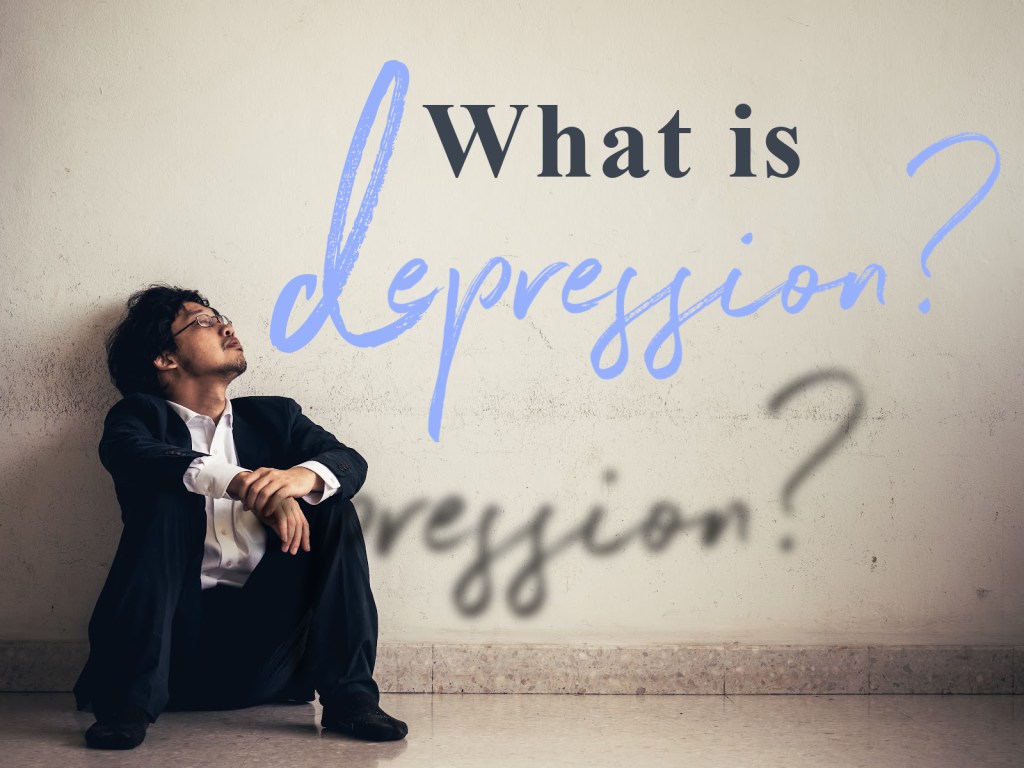
What is Depression & How To Start Feeling Like Yourself Again
Depression is a severe mental health condition affecting millions, characterized by persistent sadness, loss of interest, and various physical and emotional symptoms. Its causes are multifaceted, including genetic, biological, environmental, and psychological factors. Effective treatments involve psychotherapy, medications, lifestyle changes, and social support, highlighting that recovery is possible.

 Reflections
Leave a comment