
By: Camden Baucke MS LLP
A self-fulfilling prophecy can be a destructive cycle of pain and guilt. Self-fulfilling prophecies can infiltrate into anywhere you perform such as work, school, sports, etc. It is a perspective and expectation that sucks away the joy of working hard and the fruits of your labor. If you experience self-fulfilling prophecies, they are crucial to conquer so you can perform at your best and get the results you want. In order to stop a self-fulfilling prophecy, you must first understand what it is.
What is a Self-Fulfilling Prophecy
The term self-fulfilling prophecy was first coined by a sociologist named Robert K. Merton in 1948. It is based on the psychological premise that your predictions about the future will impact your outcomes. This can be the case for just yourself or your relationships. Regardless if your predictons are about yourself or others, this perspective does not stay within our heads.
Self-fulfilling prophecies are cognitive constructs that become real. It’s source is a deeply held belief that turns into action or inaction, leading to the result that you feared would happen. At the end of a self-fulfilling prophecy, that harsh belief in yourself or your future is confirmed and continues to get stronger, leading to a long and devastating spirals. However, that doesn’t have to be the case. There is a model in Cognitive Behavioral Therapy (CBT) that can explain how to beat a self-fulfilling Cycle.
The CBT Cycle
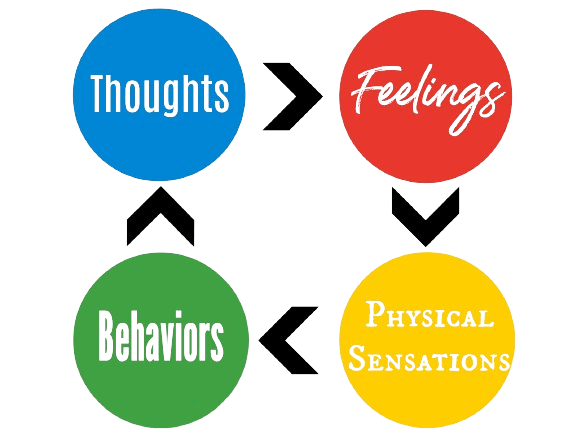
What you’re Looking at is a typical Cognitive Behavioral Treatment (CBT) model. This is how CBT explains self-fulfilling prophecies and much of human behavior. In this case, Robert K. Merton’s model of a self-fulfilling prophecy fits right into the CBT cycle. You have predict an awful future, you start to feel anxious or stressed, this turns into physical distress, which you then try to address with frantic effort or procrastination. As a result of all this, you’re unlikely to achieve the goal you wanted to achieve. You blame and shame yourself, which then spins the wheels of an accelerating self-fulfilling prophecy. Again, there are methods to stopping them with this CBT model. However, to use this model to beat a self-fulfilling prophecy, you first need to understand one foundational fact.
Guilt
Know what makes self-fulfilling prophecies worse? Believing that it is all your fault. However, as a therapist I can tell you that self-fulfilling prophecies are not inherent to your your abilities or worth. Our perspective of the future is molded by our experiences in the past. There is a deeper reason for self-fulfilling prophecies, and it is important to seek out therapeutic services so you can explore where it came from. Until then, just remember that while it is your responsibility to fight this cycle, you’re not at fault for it being there in the first place. Guilt can be a catalyst for negative spirals. Seeing yourself as wrong is one among many thoughts need to be addressed so you can successfully stop a self-fulfilling prophecy.
4 Ways to Shoot the Gap
In American football, shooting the gap means getting yourself between two players on the line of scrimmage. Jumping in and squeezing between them to not let anybody through. In this case, it means getting your healthy and proactive choices between one stage of the cycle and the next. From each of those circles to the next lies an opportunity for you to shoot the gap and stop your self-fulfilling prophecy. Let’s start with the first opportunity:
#1: Cognitive Challenging

The first opportunity to stop a self-fulfilling prophecy is cognitive challenging. This is a clinical term for sifting through which thoughts are accurate and/or constructive. For a self-fulfilling prophecy to move from thoughts to emotions, there is an internal validation of an awful future or an incompetent identity. However, this would be validating an unreliable message.
You can listen to your thoughts, but you don’t have to, nor should you, validate them all. If you allow different outcomes to be possible, then you will be more likely to have a better one. Think of it as a mental metal detector, sifting through thoughts to see which are threats and which are safe. This doesn’t mean shutting out all doubts, but it means finding which ones are credible and actionable. When you recognize those thoughts, don’t wait and take at least 5 minutes to question them. If it’s too late to challenge the thoughts, it’s time to capitalize on the second opportunity.
#2: Self-Care & Coping
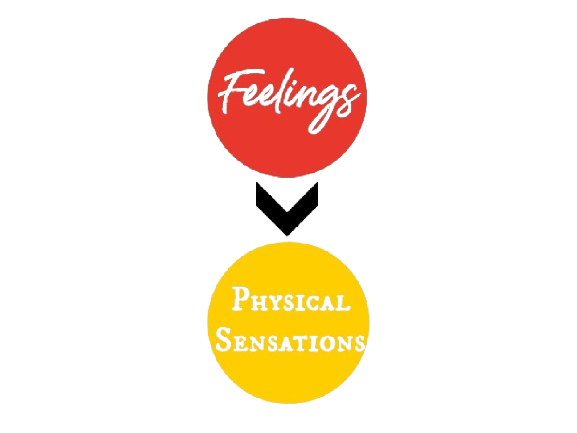
You are feeling harsh emotions such as anxiety and/or hopelessness. While the self-fulfilling cycle is gaining momentum, this is a time to start facing your emotions. A healthy approach to your emotions is one that feels them, identifies them, and makes appropriate decisions to address them. The second opportunity to stop a self-fulfilling prophecy is self-care and coping with the emotions you are feeling. This means “making minutes” in your day for activities or time spent actively attempting to make yourself calm down.
Physical sensations are necessary to address. These consist of increased heart rate, increased blood pressure, paresthesia, numbness, etc. Before your body can go into full fight, flight, or freeze, take some time to do some self-care and coping. It could be stepping away to do a 10 minute walk or 20 minutes playing the guitar. Speak with a loved one or trusted friend about how you feel. It’s necessary to spend a little time actively addressing your emotions than spend a whole day scrolling on your phone, trying to ignore the source of your physiological distress. If this doesn’t work either, don’t give up just yet, you have a third chance.
#3: Acceptance & Time Out
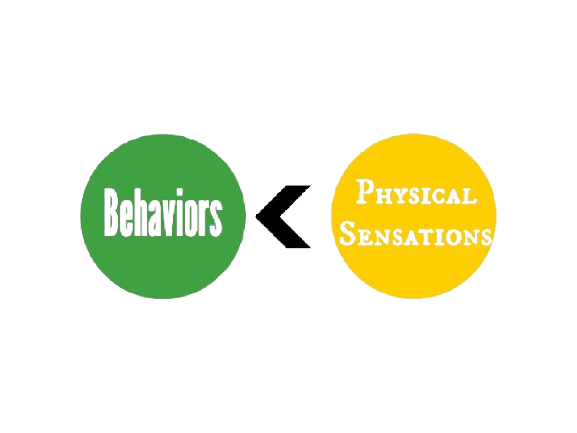
The physical sensations of a self-fulfilling can be disorienting and painful. This is where self-fulfilling prophecies get tricky. From physical sensations to behaviors is the bridge between your mental predictions and real behaviors that affect outcomes. These behaviors are almost always distracting and detract from your efforts. This includes doom scrolling, watching videos, video games, or anything used for the explicit purpose of numbing your mind. Your body is already expecting the lethal impact of disastrous outcomes, it makes sense for the body to want to feel it less.
There are other pseudo-productive behaviors due to physical distress. Behaviors like attempting to finish an assignment or a task as quickly as possible to get it out of the way, as it is the gate between you feeling relieved. However, this often leads to frantic effort and scattered thinking. This is not healthy either because it is only working hard to relieve yourself from physical sensations, not to achieve for the sake of your success. However, there are methods of addressing this distress in a healthy way.
Acceptance is the recognition that you are physically distressed. This does not mean approval, it means accepting reality and now you can advocate for yourself. if you deny it or think you “shouldn’t” be stressed, your self-fulfilling prophecy will only quicken. Accept your physical distress and treat it with the same kindness you would show a friend. Then, address that urge to quickly complete tasks by taking a voluntary time out. If your brain want to just “get it over with” then wait at least 15 minutes to do that start that task. This is important in allowing yourself to address your work with a clear purpose, independent of emotional management. If you procrastinate or try to frenetically fix something, then you have yet another chance to stop a self-fulfilling prophecy.
#4: Self-Forgiveness
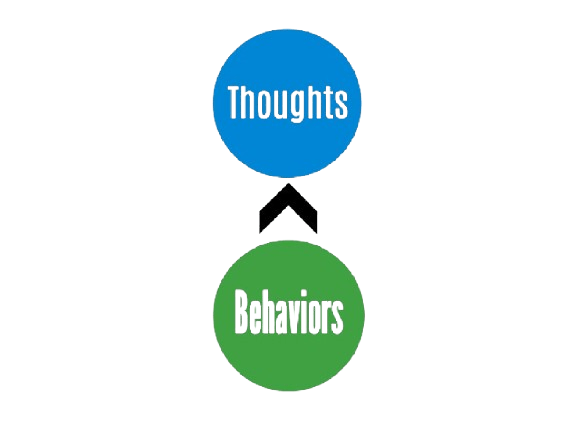
Self-blame can be as damaging as your failures. It’s difficult, but it is necessary to stop your actions and outcomes from confirming your negative beliefs about yourself or the world. You are not the sole factor in any of your outcomes. There are always several factors at play and life can be down-right hard. Being hard on yourself only makes this worse. However, forgiving yourself provides a path moving forward. Self-forgiveness does not mean shirking accountability, it means being understanding for yourself and gives yourself a chance to try again. Behaviors can change and we can mold them to fit our goals. We just have to find ourselves important enough to change our actions for.
Practice, Practice, Practice
You CAN beat a self-fulfilling prophecy. In just one cycle between thoughts, feelings, physical sensations, and behaviors your have 4 opportunities to advocate for yourself and your mental health. You CAN shoot the gap and stop the wheel from turning. This will be difficult, but I urge you to recognize self-fulfilling prophecies in your life and apply these techniques. Here are some key points for your journey towards better mental health:
- You are responsible for stopping your self-fulfilling prophecies
- You are not at fault for the self-fulfilling prophecies being there in the first place
- You have several opportunities to beat a single cycle of a self-fulfilling prophecy
- #1 Cognitively challenge your negative thoughts and/or beliefs about yourself or the future
- #2 Practice self-care and cope with negative feelings that have come from those thoughts
- #3 Accept your physical distress, take care of yourself, and restrain yourself from acting out of negative feelings
- #4 Practice self-forgiveness and allow yourself the chance to improve and try again.
Thank You for Reading!
Want to Learn More?
If you want to learn more about mental health issues or even start a therapy journey of your own, please visit this link for more information!



 Reflections
Leave a reply to What is OCD? – How Intrusive Thoughts Can Derail Your Life – Reflections Cancel reply