

By: Camden Baucke MS LLP
Today we’re going to talk about gender identity.
It’s something you know deep within yourself – something about who you are.
Gender identity might be simple for some, but it can be confusing and complex for others.
Even if you don’t directly question your gender identity, you can live a life where you have a slight feeling that “something doesn’t fit“.
Gender identity is important to learn in any case, but if you are struggling with it you need to know an early fact:
You are not broken, dramatic, alone, or “making it up“.
Exploring your identity is part of the human experience, including gender.
In this article, I will describe what gender identity is, stigmas around it, common symptoms when confusion arises, and the first steps towards being your own ally.
What is Gender Identity?
Gender identity is your internal sense of who you are in relation to gender. While gender is expressed through social roles, norms, and behaviors, your identity itself is deeply personal and internally experienced.
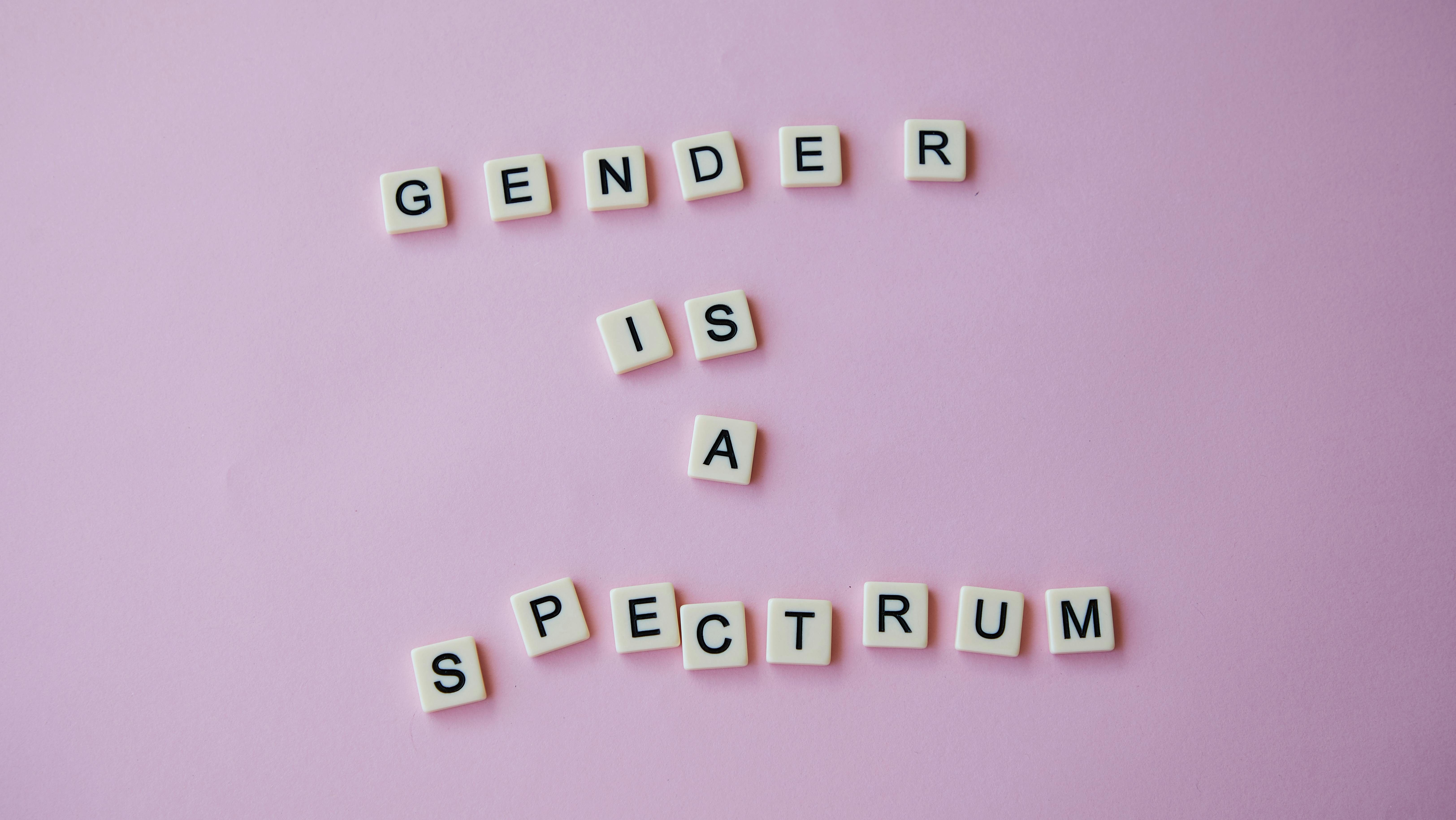
Gender identity includes the internal sense of being male, female, both, neither, or somewhere along the gender spectrum.
At birth, gender is assigned based on visible anatomy of a child. For many people, their gender identity aligns with that assignment. For others, it does not.
As we grow older, we are given more chances to attune with the gender we identify with most.
In modern terms, someone can attune with one or several different gender identities including:
- Cisgender – Current gender matches what was assigned at birth
- Transgender – Current gender is different than what was assigned at birth
- Binary – Someone who identifies as either a man or woman
- Non-Binary – Someone who identifies as neither strictly a man or a woman
- Genderqueer – Someone who identifies as neither or a combination of genders
This is not a comprehensive list – there are continued efforts to find the words that resemble the gender you identify as.
The Stigma Around Gender Identity
First off, there is a common misunderstanding of LGBTQIA+ terminology.
- Sex – Biological characteristics (chromosomes, hormones, anatomy)
- Sexual Orientation – Who you are romantically or physically attracted to
- Gender – Your internal sense of being male, female, both, neither, or someone along the gender spectrum.
Second, there is plenty of stigma around questioning gender identity specifically.
It is still stigmatized in families, cultures, and communities where you hear things like:
- “boys don’t do that“
- “That’s not how a girl should act”
- “You’re just confused“
- “It’s only a phase“
- “You’re just wanting attention”
These words may not break your bones, but they can create a deeply rooted fear of rejection.

They instill fear of disappointing family, being ostracized from your community, and being in harm’s way.
Stigma can warp your curiosity into shame. It can turn an important question like “who am I” and turn it into “what’s wrong with me“.
This shift in your narrative might matter more than you think.
What you shove deep down can sprout feelings of anxiety, depression, and self-doubt.
Common Issues when Discovering Gender Identity
#1 – Self-Doubt
Gender identity is found using only your internal compass, and using it requires plenty of self-trust.
If you struggle to trust yourself, it might be hard just to second-guess the gender you were assigned – even with the clearest signals.
#2 – Fear of Rejection
Due to stigma, the search for gender identity can evoke fear of rejection from those who matter most.
If you explore yourself, you might believe it comes as the paralyzing risk of losing your family, friends, and community.
#3 – Internalized Hate
If the shameful words of others have been internalized, you can come to hate yourself for questioning your gender identity.
This can cause internal resentment towards your identity and cause even further symptoms of anxiety and depression.
#4 – Social Anxiety
If you doubt and hate yourself, while fearing the rejection of others, you will understandably experience some social anxiety.
You might over-analyze others while also being self-conscious about your expression, your clothing, and your interactions.
#5 – Exhaustion
It’s tiring to live someone else’s life.
A misaligned gender identity, accompanied by self-contempt, can easily result in fatigue over time.

Symptoms of Identity-Related Distress
When gender identity is misaligned or suppressed, it starts to wave red flags for your mental health.
Some common symptoms include:
- persistent anxiety
- Chronic depression
- Episodic depression
- Depersonalization (feeling disconnected from yourself)
- Irritability
- Social withdrawal and isolation
- Fatigue
Some people also experience something called gender dysphoria.
To make gender dysphoria crystal clear, I’m going to tell you (1) what it isn’t and (2) what it is.
(1) Gender dysphoria is not the product of questioning a binary gender system – it’s not the ramifications for doing something wrong or immoral.
(2) Gender dysphoria is the significant distress felt when someone’s assigned sex and experienced gender identity are not aligned.
Not everyone who questions their gender identity experiences dysphoria – for some it is intense and persistent, but it also can be subtle and situational for others.
First Steps Towards Becoming a Self-Ally
#1 – Allow Yourself to Explore
Your journey can start with just a few steps.
This can include journaling, daydreaming, or imagining yourself in different scenarios where you might feel different, but more like yourself.
Exploration doesn’t demand commitment, just curiosity and self-permission.
#2 – Distinguish Fear from Truth
It’s important to be cognizant of your mental habits.
Some thoughts about your gender identity journey may be lingering echoes of previous bullies or shame.
Not all thoughts are true, but it’s important to differentiate between harsh fears and steadier truths.
#3 – Search for Safe Spaces
While social withdrawal might be tempting due to fears of rejection, I encourage you to find safe people instead.
Online communities, trusted friends, or a good therapist who can support you on your journey.
You don’t have to do this alone.
#4 – Start Small
Because gender identity can be expressed with choices, try making some small changes.
You can try a different hairstyle, different piece of clothing, or even test different pronouns in a journal.
You can always scale up these changes, but you can prevent being overwhelmed by starting small and building from there.
#5 – Be Patient with Yourself
Identity discovery doesn’t happen overnight.
The feeling might be familiar, but the words, behaviors, and roles can still feel so distant.
If you’re continuously asking questions, that’s not failure to find an answer – that’s the journey.
#6 – Seek Professional Support
If anxiety or depression come into the mix, I encourage you to enlist the help of a licensed mental health professional.
A therapist’s job is to listen, to foster insight about yourself, and give your internal voice a megaphone.
Their goal is to help you become more fully yourself.

Conclusion
Gender identity gets pulled into politics quite often, but it isn’t about trends, rebelliousness, or lack of purpose.
Gender identity is about alignment – fitting snugly into the life that’s best lived by who you really are.
Searching for it can be healing and finding it can relieve you from a lifetime of self-suppression.
Your awareness is the beginning of authenticity.
Also, remember to treat whatever you’re aware of with kindness and compassion.
To be clear, you don’t need all the answers right now (although I wouldn’t blame you for wanting them).
Right now, you need safety, patience, and self-support.
Learning about your gender identity can either solidify your alignment, or lead you down a path to finding who you’ve always felt you are.




 Reflections
Leave a comment