
By: Camden Baucke MS LLP
Today, I will be talking about trauma and abuse – both of which are highly volatile topics.
If you feel triggered or reminded about any personal experiences related to abuse – please be cautious and take care of yourself first.
If you think this will hurt more than help – you can step away and come back whenever you feel ready.
Even having a disclaimer is telling about the devastating nature of abuse and trauma.
Abuse can make every decision feel heavy, relationships feel unsafe, and your mind seem like a threat to yourself.
Abusive encounters can be very apparent, but they can also go under the radar – survivors can live for years without recognizing the inciting incidents that caused their pain.
Surviving abuse isn’t about strength – you already have that.
It’s about developing a greater understanding of what happened, how it shaped your perspective of self and others, and adjusting to a peaceful life.
This article covers the basics of abuse – the different types, their traumatic properties, common symptoms, and some first steps towards healing.
Types of Abuse
Abuse isn’t always noticeable at first glance – it can be aggressive, but not always violent in the way you might expect.
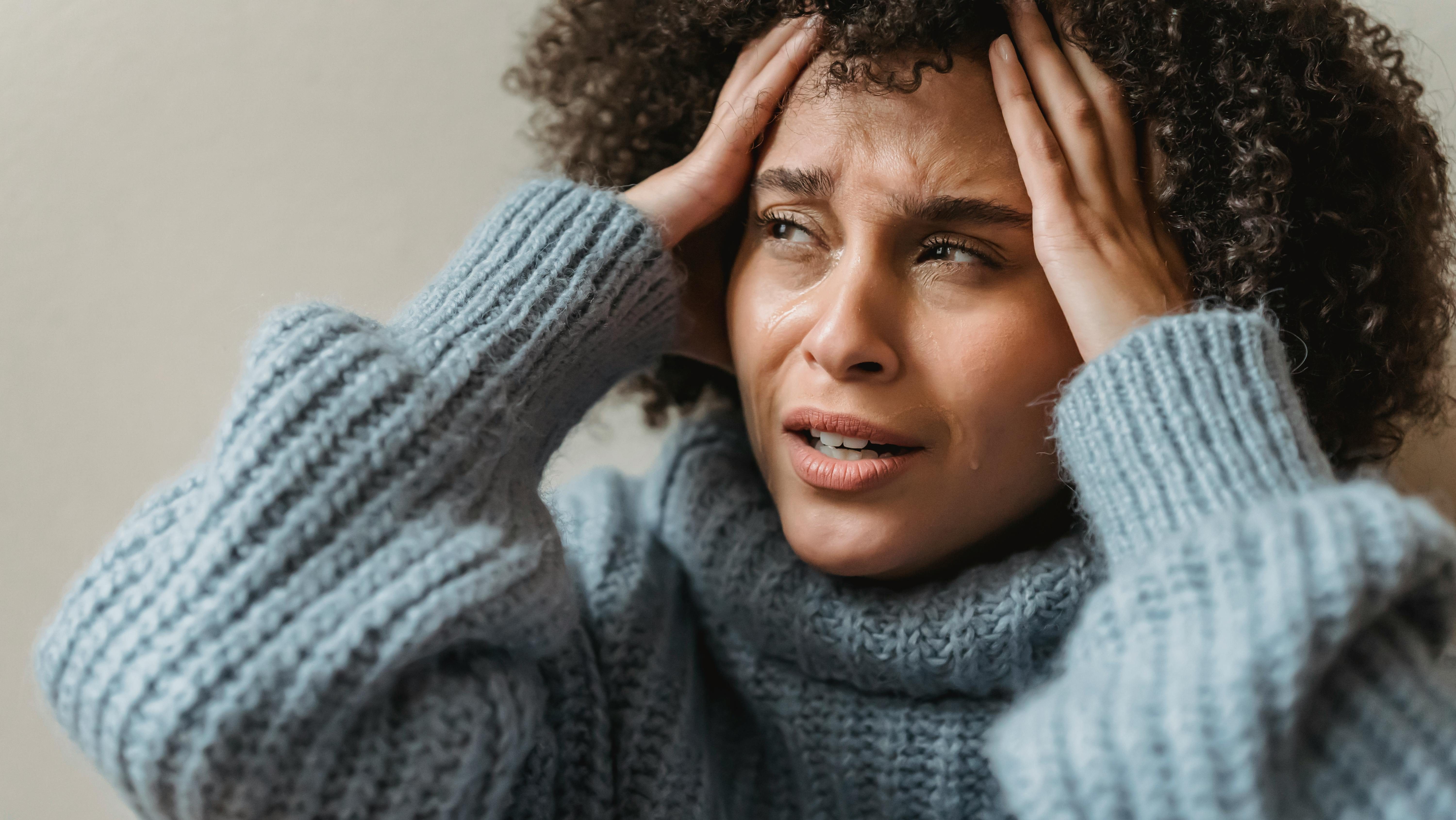
Many survivors struggle everyday because their previous experiences didn’t look “bad enough” to be abused.
The word abuse comes from Old French and Latin, meaning to misuse, deceive, misapply, maltreat, or engage in “corrupt practice“.
Abuse, in modern terms, is generally defined by (1) harming, (2) controlling, and (3) overpowering.
Physical Abuse
This is the most apparent form of abuse, including:
- Hitting
- Slapping
- Pushing
- Choking
- Restraining
- Any use of physical force meant to cause fear, pain, or control.
- Threats of physical harm or preventing escape
Even if physical abuse doesn’t leave a mark, it leaves long-lasting psychological effects.
Verbal Abuse
Verbal abuse is another common form of abuse, including:
- Insults
- Yelling
- Humiliation
- Name-calling
- Threats
- Constant Criticism
Over time, these words can be internalized and affect how you see yourself and the world.
Many survivors downplay these events because “nothing physical happened” or they “earned it” – neither are true.
Emotional Abuse
Emotional abuse directly targets someone’s emotional reality including:
- Manipulation
- Guilt-tripping
- Gaslighting
- Emotional withdrawal
- Aggressive jealousy
- Making you responsible for managing their emotions
Emotional abuse can be particularly devastating because it’s not just damage – it’s uprooting your confidence in reality.
It often causes deep feelings of confusion, self-doubt, and emotional dependence (which is often the goal for the abuser).
Psychological Abuse
While psychological abuse overlaps with emotional abuse, it is the explicit focus on destabilizing someone’s self-image and image of others, including:
- Coercion
- Intimidation
- Gaslighting
- Isolation
- Manipulation of self-beliefs

Survivors of psychological abuse often leave someone’s beliefs destabilized and seemingly untrustworthy.
If you have experienced psychological abuse, you may have felt like you have “lost yourself” or lost trust in your awareness.
Childhood Abuse
Abuse as a child, especially from parents/caregivers, can consist of physical, emotional, verbal, and sexual abuse.
These instances can create long-term effects on a Child’s:
- Nervous system
- Identity formation
- Emotion management
- Cognitive health
Childhood abuse can negatively affect your life the longest because many forms of abuse can become normalized, thus nothing appears abnormal.
Sexual Abuse
Sexual abuse can be particularly devastating, including:
- Non-consensual sexual touching
- Sexual harassment
- Indecent Exposure
- Sex in exchange for food, money, or safety
- Sexual Assault
Sexual abuse can leave scars that last a lifetime.
When Abuse is Traumatic
Abuse and trauma often go hand-in-hand.
Experiences of abuse can overwhelm someone’s nervous system – eliciting helplessness and powerlessness in the face of threats.
The relationship between abuse and trauma is already well-established, but it’s more intricate than you might think.
Abuse is especially linked to trauma when it is:
- Repeated or ongoing
- Unpredictable or unstable
- Happening within a trusted relationship (family, friends)
- Experienced in your childhood
- Treated with Minimization and Invalidation
When abuse puts the body into survival mode, the feeling of being endangered can persist even when the threat has left.
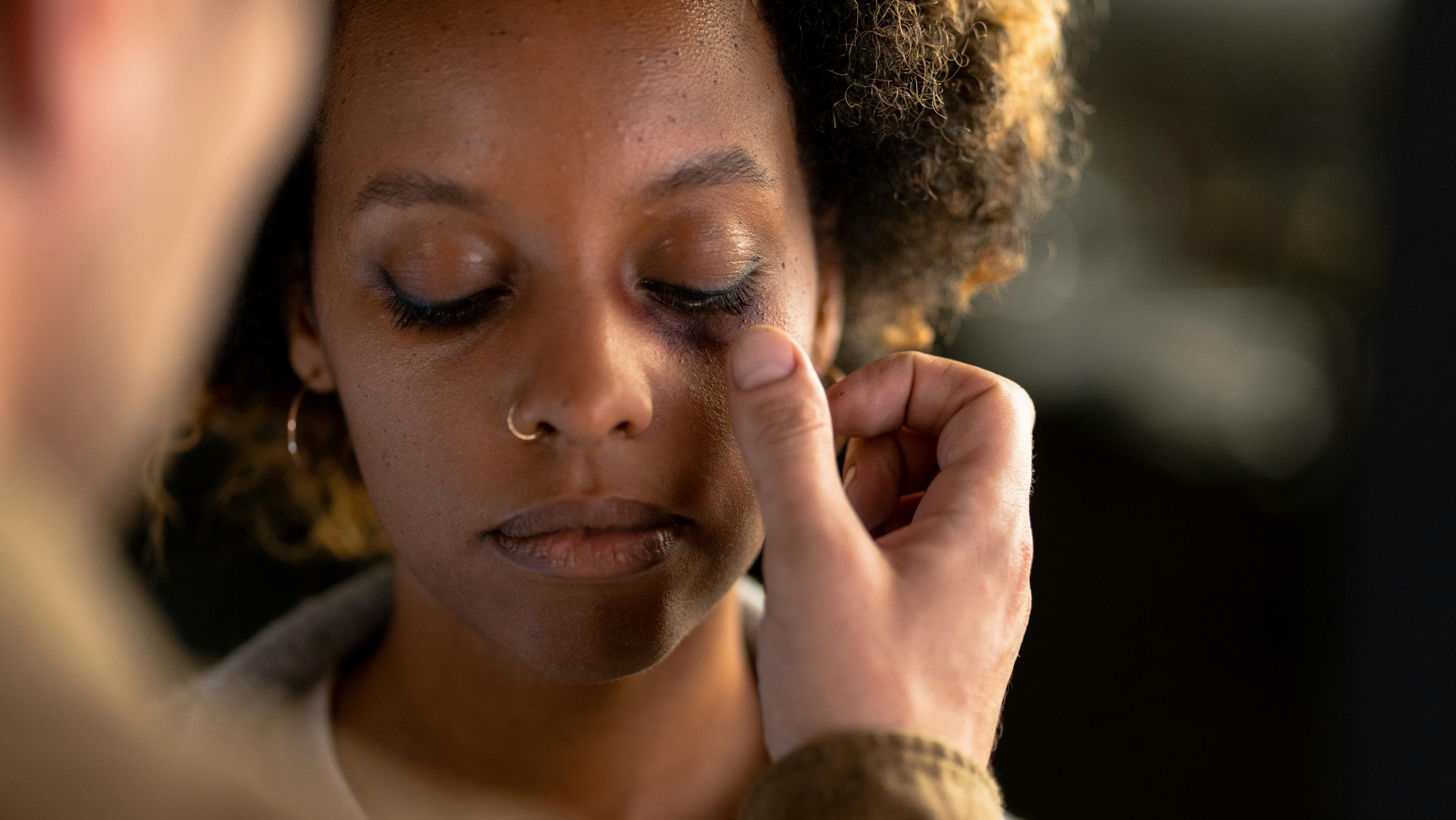
Symptoms of Abuse Trauma
Not everybody responds the same way to abuse, but common trauma-related symptoms include:
- Chronic anxiety
- Hypervigilance
- Depression
- Emotional numbness
- Chronic distrust of others
- Difficulty with forming close relationships
- Intrusive memories of the abuse
- Nightmares of the actual abuse or themes of the abuse.
- Low self-esteem
- Passivity with unsafe people or unsafe behavior
- Fatigue, headaches, and GI issues.
I assure you, every one of these symptoms are not a sign of weakness – they are learned and painful responses to abuse.
The First Steps to Healing from Abuse
Not everyone’s journey will be the same, but there are certain steps to help survivors, and maybe you, start a path to reclaiming identity, stability, and agency.
Acknowledge the Abuse
The first, and most painful part, of recovering from abuse is acknowledging that it happened.
This step doesn’t require confrontation or forgiveness – it just means allowing yourself to accept that harm happened in reality and it matters that you were hurt.
Seek Professional Support
Finding a mental health professional is a really important step to healing after abuse.
Trauma and abuse-informed therapy can help provide a safe place to process what has happened and how it changed how you feel and think.
From there, you can start to regulate your nervous system, manage your emotions, and rebuild trust in yourself and others.
As for specific treatment modalities – trauma-focused CBT is helpful, as well as EMDR, and narrative exposure therapy.
If you’ve suffered from abuse and trauma, you want a mental health professional in your corner as fast as possible.
Find Community
A big step in healing from abuse is opening yourself up to new relationships.
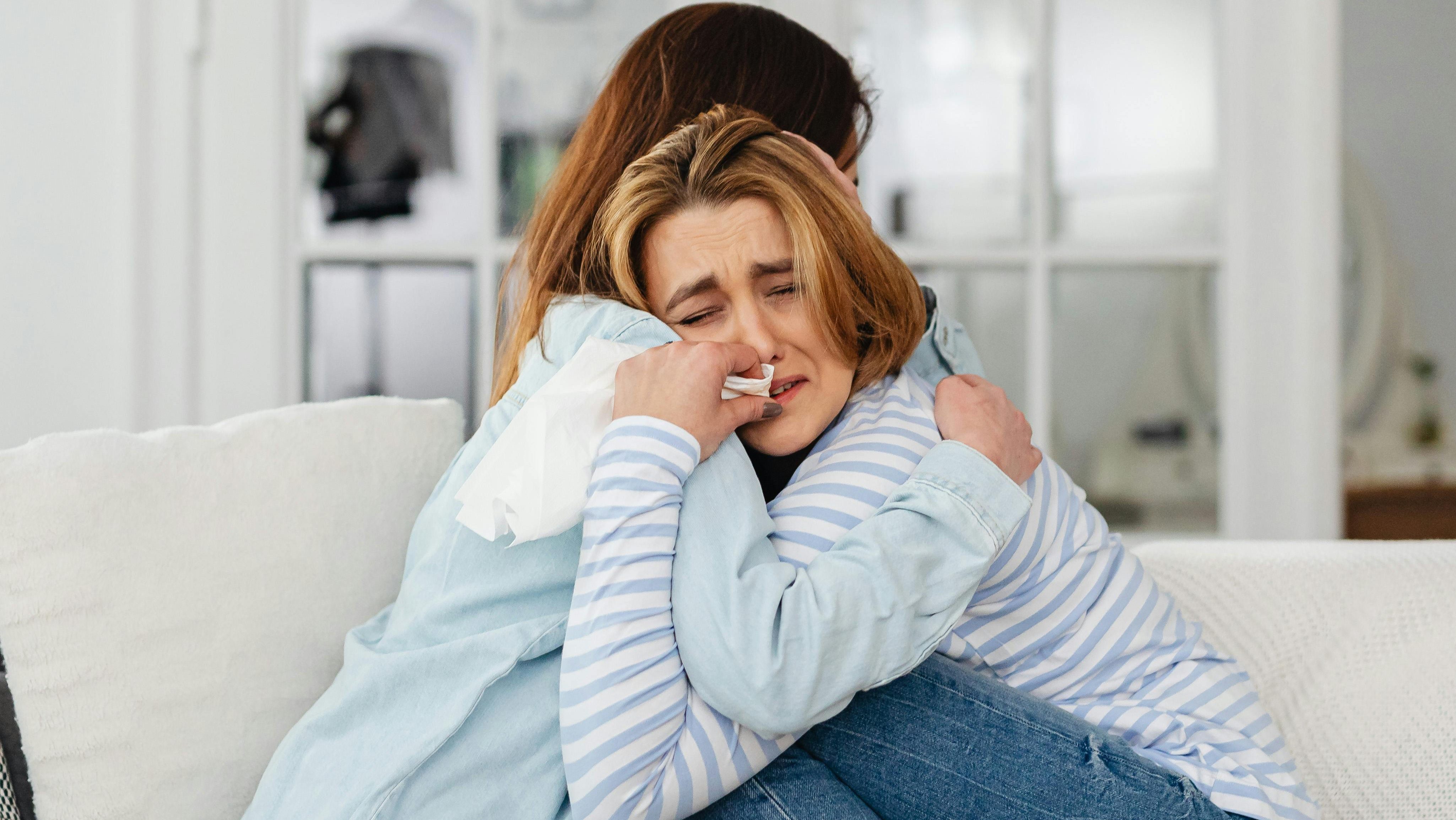
This will be difficult, because a relationship is what allowed for abuse in the first place.
However, opening yourself up to others is what proves to yourself that not everyone is abusive.
I encourage you to connect with supportive friends, trusted peer groups, or survivor communities.
Finding community can help you feel heard, understood, and loved – you don’t have to be alone.
Practice Self-Compassion & Patience
Recovering from abuse doesn’t mean you have to “move on” as fast as possible.
It means listening to your body, respecting your own boundaries, and allowing healing to happen at your own pace.
I know it would feel great to done healing from abuse, but your new normal matters enough to be patient for.
Conclusion
Surviving abuse can change how you think and feel, but it doesn’t define you.
There are several types of abuse and plenty of relationships they can happen in.
The effects are real and often traumatic, but your pain is worth listening to.
If you’re a survivor of abuse, I encourage you to practice self-compassion.
To seek support and care for yourself like how you would care for your loved ones.
Healing isn’t erasing the past or becoming someone new – it’s the gradual building of a life that feels safer, grounded, and fully yours.

 Reflections
Leave a comment