

By: Camden Baucke MS LLP
In the United States, the ICE crisis has been dominating every news channel and social media app.
Right now, it seems like we can’t look anywhere without being reminded of the global stressors happening around the country.
Global stressors are a unique type of stressor – they can signal danger and risk to your well-being, but they’re so massive that we can’t control them with our singular behaviors.
While there are benefits to staying informed about current events, anyone with an anxious, obsessive and/or compulsive background could be hurting right now in a specific way.
In this article, I will cover how any OCD or anxious approaches to stress management are likely to be drastically affected by current events in the USA.
I will also offer some ways to effectively navigate OCD and anxiety in this turbulent time.
How the OCD Brain Manages Stress
Briefly put, the OCD brain often manages stress by solving stressors – or at least creating the image of solving it.
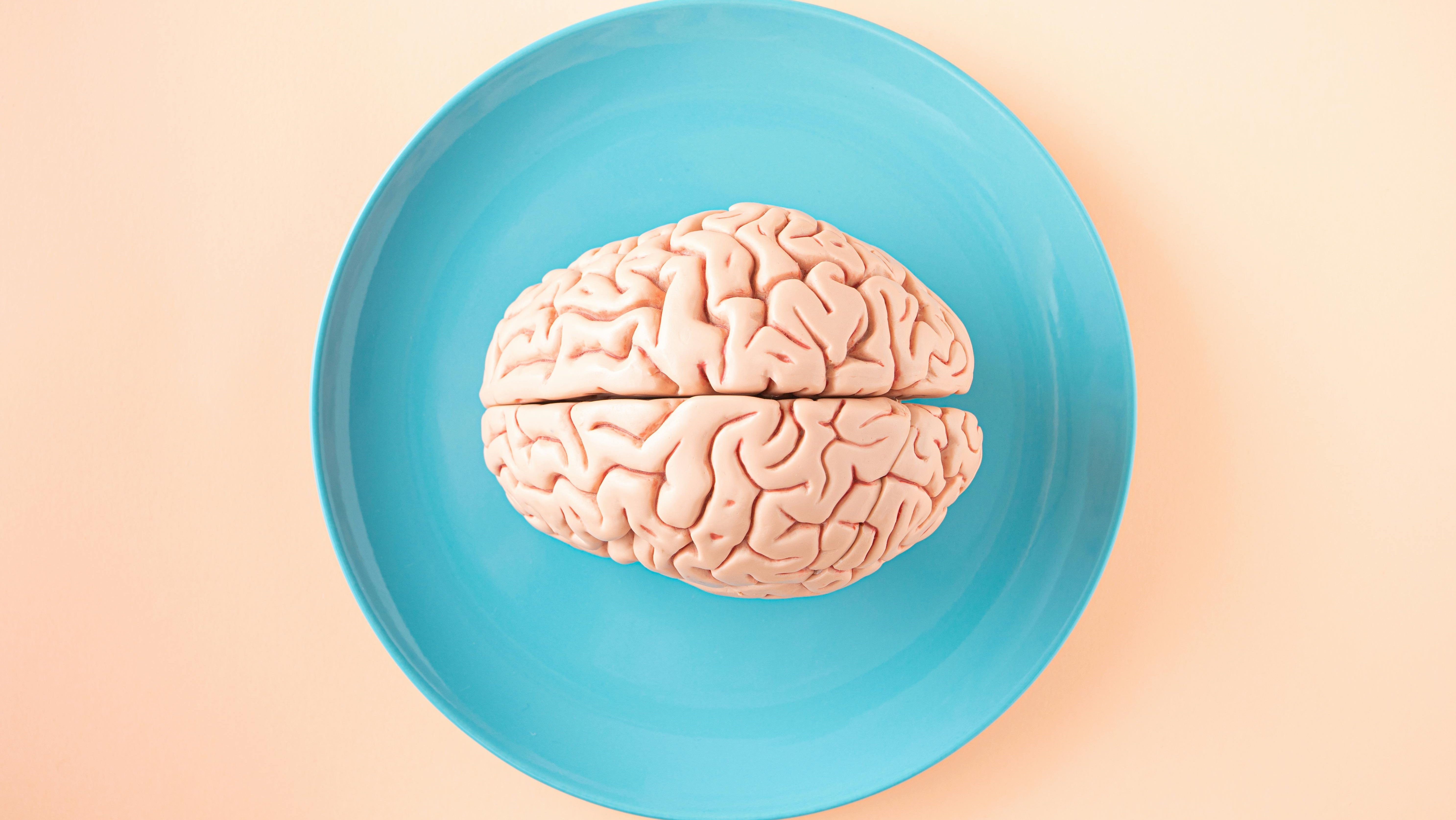
First, a stressor appears – then the brain locks onto this stressor resulting in distressing feelings and thoughts.
If these go on repeatedly, and they can’t seem to dissipate, we call these obsessions.
Instead of independently managing stress, the feeling is intertwined with the existence of the problem.
According to this frame of mind, if you want bad thoughts and feelings to be gone – the problem must be gone.
Then the brain urges you to take action to address the stressor.
Some actions might temporarily solve a problem, but more often they only delay its reoccurrence.
Oftentimes action only provides a veneer of safety from the problem, but doesn’t actually solve it.
These actions might even be entirely mental with the magical belief that they will solve your problems.
These sorts of actions are called compulsions.
Essentially, compulsions are the fire extinguisher for obsessive flames.
Every single time you find relief only by fixing a problem, you reinforce the idea that you can’t feel better until a problem is fixed – creating an emotional dependence on action taken.
This is unhealthy because it combines two different tasks into one – managing a problem & managing emotions.
It’s crucial that we know how to manage our emotions directly and independently from stressors.
Because compulsions rarely ever solve issues – they only provide a costly and momentary relief.
That is, if you’re in the scope of control.
How the Anxious Mind Reacts to Stress

Stress and anxiety often works like a heavy stack of boxes- the more you have, the higher the pile grows, and the greater the burden.
For many struggling with anxiety, either it be generalized anxiety disorder (GAD) or social anxiety disorder (SAD), global stressors might be piling onto a full stack of worries.
If you have a predisposition to anxiety, your symptoms might be exacerbated by the ICE crisis.
If you avoid groups or crowded areas due to fear of negative evaluation (social anxiety), then I’d bet this urge will be stronger.
If your muscles are tense, you feel restless, and you are generally irritable – then global stressors have the capacity to make those symptoms even more intense.
It’s difficult to concentrate and get good rest with anxiety on an average day – the ICE crisis can add so much more worry to your plate.
How Current Events are Global Stressors

In clinical practice, we often help people sift through what they can control and what they can’t.
At the extreme end of uncontrollable problems are global stressors – frightening and wide-scale issues.
Global stressors are exceedingly stressful, because there is little to no effect from your actions alone.
Meanwhile, the outcome from global stressors can impact your life and have the potential to cause harm.
Global stressors are exhausting because they can be long-term, which is too long of a time to hold your breath.
For example, the United States is currently engulfed in aggression regarding the immigration and customs enforcement, commonly known as ICE.
From all the footage and literature, available in every corner of your home and life, you can likely become overwhelmed with this very close-to-home global stressor.
Death, fighting, kidnapping – all part of your news feed.
The average person will likely experience global stress from just this alone – if not a form of para-social trauma.
However, someone with anxiety and OCD will likely be especially hurting right now, because this problem is big – federal sized.
It’s not away in some foreign land or in a remote location – it’s in American streets.
And for the current moment, there’s no end in sight.
In the framework of OCD and anxious thinking, this time can be quite a nightmare.
The Clash Between Anxiety, ICE, and OCD
Because one’s ability to control the current political climate is quite limited, an OCD brain might accelerate into panic or rely on mental actions for compulsions.
Also, the dangerousness of current events is bound to add on layers of stress and exacerbate symptoms of anxiety.

Lower-valence anxiety might develop into panic – something commonly felt in these circumstances as it is the feeling of being trapped and endangered.
To be fair, many people are being literally entrapped, thus their panic is merited.
Because it’s happening on American streets, the anxious brain will have an even more difficult time relaxing in the face of uncertainty.
Mental actions also might be on overdrive for those with OCD – often manifesting as staying “aware” of current events.
To be clear, it is important to know what’s happening in your area and with your loved ones – however, they should probably be your sources of information.
It’s a common mental compulsion to check – check the news, check Instagram, and check Facebook.
These platforms often operate with a double-edged sword – they can keep you up to date on the latest events – but they can also tailor an algorithm to cause further distress and exacerbate mental compulsions of checking.
Checking turbulent news feeds is a self-defeating cycle of becoming more anxious by trying to find relief from obsessions.
Even if you go to social media platforms to numb negative feelings, you’ll probably find more distressing news – feeling even worse in the place you went to feel less.
I understand that in our current political climate, the difference between necessary awareness and compulsive checking seems razor thin.
To address this, I have some suggestions for anyone struggling with OCD-like symptoms in light of the global stressors happening across the country.
6 Ways to Manage Anxiety & OCD During the ICE Crisis
1 – Connect with Support
Throughout human history, relationships have been our greatest resource to combat global stressors.
Hurricanes, invasions, and global pandemics – these are the kind of events we can only get through by working together.

During the ICE crisis, stay connected to your friends, community, and loved ones.
I also encourage you to branch out and meet new people – to find folks who share your values and will support you when you need them – and who you can support as well.
2 – Inform Yourself in Healthy Ways
Social media and the TV screen are not the only sources of information about global stressors.
You’re not supposed to be taking in news of global stressors all day long – you have work, sleep, and other important tasks that will require your full attention.
Set limits on your news intake.
This means limiting your intake to a couple times of the day on very specific news outlets.
For example, you can stay informed by going to the ground news app two times a day to read about the news (not high valence videos) and setting a timer for 30 minutes.
Or you could speak with a friend to discuss current events or comfort each other.
If you’ve struggled with OCD, I encourage you to start recognizing the threshold between keeping yourself appraised of the situation and compulsively checking.
I bet that you can stay highly aware of this crisis, but also take care of yourself.
3 – Phone Hygiene, Phone Hygiene, Phone Hygiene
Phones can be useful, but they can also be a terror for anyone with anxiety and OCD in the midst of this crisis.
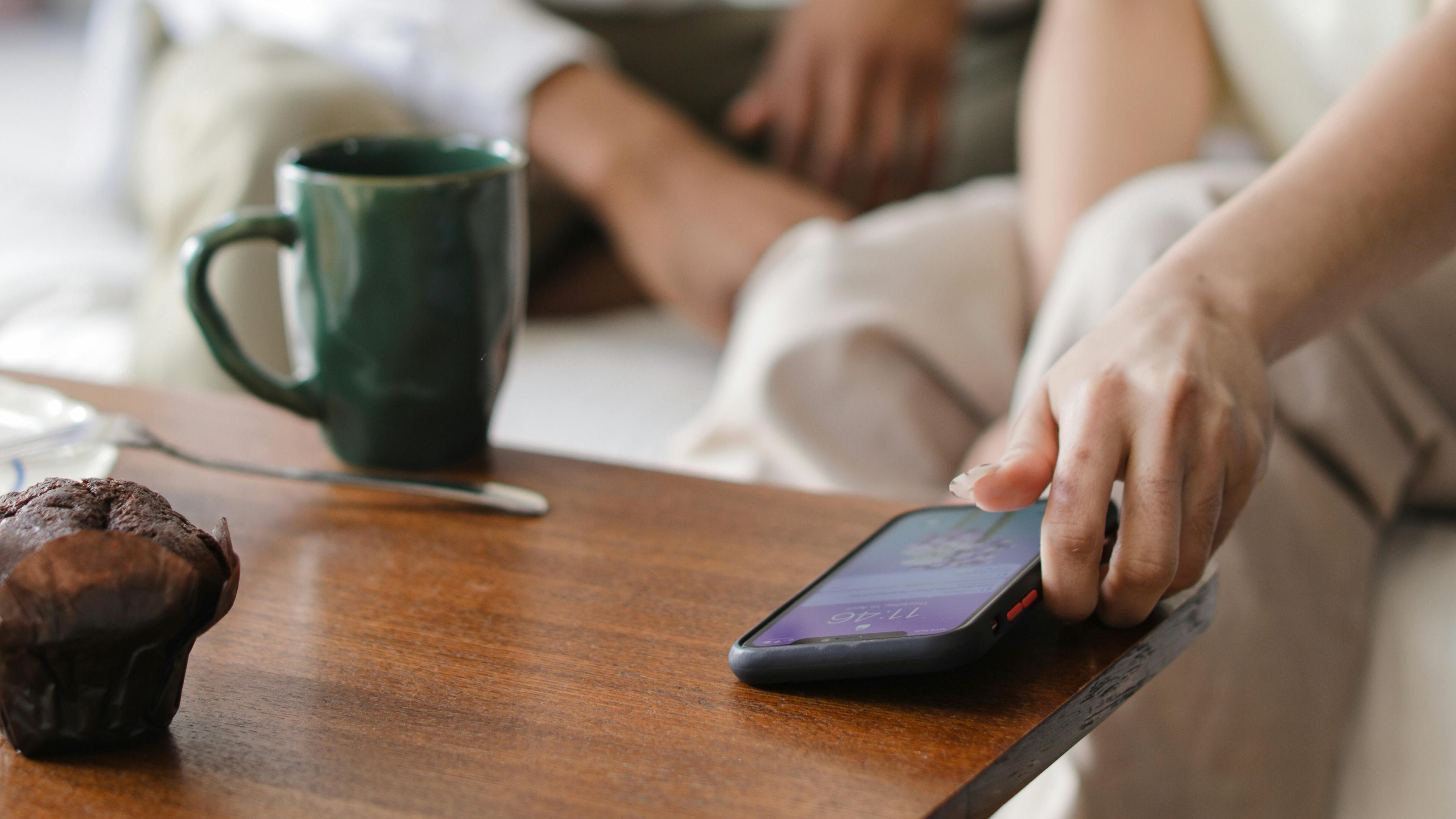
They are the source of compulsive checking in the modern age – a convenient way to mismanage our emotions.
Regarding apps, be extremely cautious of social media like Instagram, reddit, and X.
For times, be sure to abstain from any phone usage or news after waking up and before bed – also anytime around important life or work events.
Anxiety usually makes sleeping a challenge anyway – please refrain from habits that could make it even harder.
If you have a history of OCD, phone hygiene is going to be something you need to plan on to prevent exacerbating obsessions and initiating mental compulsions.
4 – The 20 Minute Rule for Checking
In therapy, we often treat OCD-like symptoms by delaying compulsions.
If you have managed your emotions with compulsions, then your brain will be inclined to solve a problem immediately.
When you delay a compulsion, you let your body’s alarm run its course – eventually dying down.
Then, if you want to address a manageable problem, you don’t risk further reinforcing your dependence on a compulsion.
For global stressors, your mental compulsion might be to check any sort of news – but you need to delay it.
For starters, set a timer for at least 20 minutes once you recognize your catastrophic thoughts are calling for a compulsive check.
It’s not easy – but it can help you redirect your energy to what you can do.
5 – Contribute What You Can
Just because we can’t solve a global stressor ourselves doesn’t mean we can’t contribute to the cause.

The most known option is peaceful protests – a very direct way of contributing.
Another street-level option is to be a supporter – serving as a medic or serving food.
If you’re far away, you can find a cause to donate money to – one that shares your values.
Even then, you can always use your voice – to comfort others or encourage empathy for those affected.
You might not be able to control the whole situation, but you can always do your part.
6 – Manage Your Emotions Directly
This is the most crucial step of managing anxiety and OCD during the ICE crisis – directly manage your emotions.
Don’t wait until the end of this crisis to start taking care of yourself.
If you are feeling angry or anxious there are plenty of ways you can directly manage those emotions.
First, accept that you are feeling that way with a nonjudgmental approach.
Second, let the emotion pass through you unimpeded by self-criticism or self-doubt.
Third, find a healthy outlet for what you feel – journaling, exercise, conversation with a friend.

I encourage you to develop a regimen of effective emotion management – once a reminder of the ICE crisis creates distress – jump into managing that stress directly.
This is hard, but it’s a necessary function that leads to a better quality of life – way beyond the current events of today.
Conclusion
It’s impossible to ignore the massive global stressor of the ICE crisis.
It’s important to stay aware of what’s happening outside, but it’s unhealthy to be swallowed whole by daily news.
If you have a predisposition of OCD-like symptoms – where emotions are managed with action – I imagine you might be struggling with checking.
If you have a predisposition of anxiety – where your threat alarm is always on – I imagine the ICE crisis is fatiguing you even more.
I encourage you to take care of yourself, which means staying informed in a healthy way – meaning you directly manage your emotions, connect with your community, control your actions and delay compulsions, be wary of your phone usage, and contribute what you can while sustaining yourself.
Global stressors and crises are important, but so is your well-being.


 Reflections
Leave a comment