By: Camden Baucke MS LLP
While it can be difficult to talk about substances, almost everyone has some sort of relationship to them.
It could be personal use, someone in your family, a friend, a coworker, or even strangers you’ve met.
Although it might not be taboo to you, substance use is often demonized and judged by portions of society.
On the other hand, there are some spaces where self-destructive use of substances is normalized, which isn’t healthy either.
In this article, I’ll do my best to offer a balanced discussion – curious, honest, but nonjudgmental.
I’m going to use the terms substance use and addiction instead of abuse.
I will cover the basics of what substance use is, some commonly used substances, a neuropsychological perspective of addiction, and how healing starts and ends with connection.
What is Substance Use?
I know it’s self-explanatory, but substance use is quite literally the consumption of certain substances.
However, these substances are unique because they contain chemicals that dramatically affect your brain, mood, perception, or physical sensations, but to varying degrees.
Not all substance use is immediately problematic.
- You may have used a major substance once a long time ago.
- You may use a normalized substance, like alcohol, in social or infrequent occasions.
- You might use or have used substances, and feel no residual cravings at all.
While not everyone is harmed by substance use the same way, it’s important to recognize patterns that eventually hurt your physical health, mental health, relationships, and/or work.
Substances are used, like a tool, and the context of your life might inform why it’s being used.
Some people may use substances for pain relief. Others may use it for numbing negative feelings or shutting out depressing thoughts.
It’s also typical to have a general craving, depending on what substance it is.
What Substance are We Talking About?
Substances are usually in two categories: (1) Licit (legal) and (2) Illicit (illegal) – however, the legality of a substance doesn’t usually reflect how risky, harmful, or addictive they are.
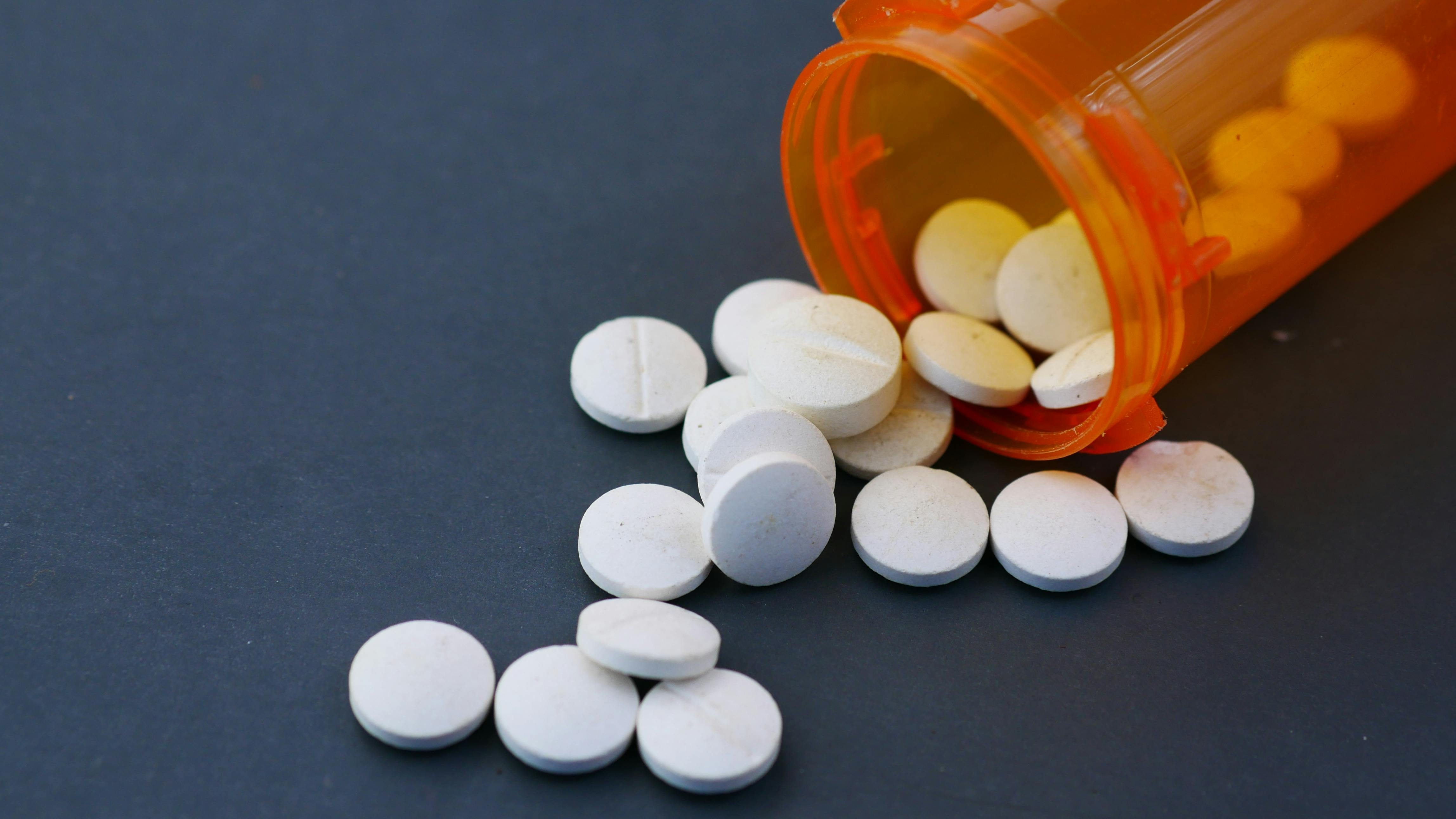
For more specific categories of substances, we look at how they affect your brain and body.
Depressants
These substances slow down your nervous system.
- Alcohol
- Opioids
- Benzodiazepines
All of these are legal in the right context (prescribed medications, post-surgical painkillers, alcoholic drinks) but also illegal (driving under the influence) and unhealthy in others (using non-prescribed painkillers).
Stimulants
These substances increase activity of the nervous system.
- Cocaine
- Methamphetamine
- MDMA (stimulant-entactogen)
- Nicotine
- Caffeine
- ADHD Medication (amphetamines)
While ADHD medication and caffeine are legal substances, they still have the potential for misuse.
Cocaine, methamphetamine, and MDMA are illegal for their negative affect on mental and physical health.
Nicotine is also particularly addictive, being a main driver behind addiction to cigarette smoking.
Hallucinogens/Psychedelics
These substances directly alter your brain activity, including your perception, cognition, and awareness.
- Mushrooms (Psilocybin)
- LSD (Acid)
While both mushrooms and LSD are mostly illegal for their effects on functioning, there are exceptions. Mushrooms are legal in certain cities throughout the United States.
Cannabinoids
While cannabis is the primary substance, it is often split into smaller sets of substances.
Some of the resulting substances are (1) Psychoactive and some are (2) non-psychoactive.
While both types may be legal in various states, they do differ in their effect.
Some cannabinoid substances alter cognitive states, such as:
- THC
- CBN
- THCV
However, other cannabinoid substances are marketed for physical effects, such as:
- CBD
- CBG
- CBC
Some of the substances mentioned are inherently addictive (nicotine), but others can be addictive by how they’re used (alcohol and psychoactive cannabinoids).
The relationship between a person and the substance they use is where we find addiction.
What is Addiction?
Let’s start with the research-backed, evidence-based basics:
Addiction is not moral failure, lack of willpower, or weak character.
It is a complex neuropsychological condition influenced by the brain, mind, body, and environment.
Let me work you through the steps:

1 – Genetic Predisposition
Research has identified specific genetic predispositions to substance use disorders and addiction.
This means that some people can use substances all they like and not become addicted – meanwhile someone with a genetic predisposition could use a substance one time and immediately struggle with addiction.
A genetic predisposition to addiction resembles nothing but poor luck.
2 – Environmental Factors
Another factor in addiction, which also depends on luck, is the environment you grow up in.
Emotional, physical, and/or financial instability are enough to create addictive cravings for substances.
Even in adult environments, there can be factors that lean someone towards addiction. Not just overstimulation (turmoil) but under-stimulation as well (boredom).
3 – Psychosocial Factors
Modern research shows that addiction rates increase when you combine substance use while experiencing any of the following:
- Chronic stress
- Previous or recent trauma
- Depression
- Anxiety
- Loneliness
- Limited coping skills
- Poor emotional regulation
When we use a substance, it’s often in context of what we’re physically and mentally feeling.
If we feel distressed or endangered, it’s our body’s natural desire to reduce those feelings.
If you think thoughts that result in those feelings, you might desire substances to make those thoughts go away.
4 – Neurological Response to Substance Use
Beneath your awareness are the complex mechanisms of the brain.
A common way substances affect your brain is release of dopamine in our brain’s reward pathways.
Dopamine is not just about pleasure, it’s motivation, learning, reinforcement – it’s the “get it done and got it done” chemical.
Like other substances, we can introduce them into our bodies so long that our brain cells get used to it, shifting how our brains “normally” operate.
Over time, the brain associates a consumed substance with a good feeling (relief or reward).
Then, natural rewards may become less effective in releasing dopamine (accomplishment and connection)
Your brain, desiring more effective methods, starts to become more sensitive to cues surrounding the substance.
Then substances might induce dopamine, not when you got something done, but when you’re distressed and desire relief.
5 – The Body Becomes Dependent
With repeated use of substances, constantly providing good feelings and eliminating negative ones, substances start to lose their effect at the same rate of consumption.
This means that to achieve the same experience as using substances before, you need to use more substances.
This is what we call tolerance.
Tolerance represents the natural decline in the effectiveness of substances, and the increasing amount of consumption to compensate for it – naturally leading to increasingly worse health effects.
6 – The Cost of Quitting
When a substance is used so frequently and intensely, it becomes a normal part of our every day.
Not just for our schedule, but for our cellular functioning as well.
If you quit using a substance you’ve become addicted to (which your body has gotten used to functioning with), the body reacts in a negative way, called withdrawal.
Withdrawal is an awful feeling including constant cravings, sweating, shaking, and more.
If your mind has gotten used to eliminating negative thoughts or feelings with a substance – if your brain’s reward pathways have adapted to your substance use – if your current environment is still distressing and calls for relief by substance use – there is a cost that comes with quitting.
But it’s a necessary cost to avoid the destructive effects of substance use disorders and addiction.

5 Steps to Start Healing from Substance Use
Healing from substance use can be as complex as the situations that cause addiction in the first place.
However, it is possible to reduce substance use and quit altogether.
It’s not just about changing a single habit or instituting more discipline or self-punishment – it’s about building a life that no longer requires the function of the substance.
1 – Compassionate Self-Honesty
You can’t heal from substance use if you don’t recognize your need for change.
To start, just take nonjudgmental/curious notes about:
- How the substance makes you feel
- How the substance seems like it helps
- How the substance hurts
- What feelings are potentially ignored by substance use
- What you expect will be the long term costs of substance use
Taking notes on your own substance use and history is a great first step to recognizing a condition you would benefit from addressing – but not on your own.
2 – Support from Friends & Family
The right social support has the power to weaken the grasp of substance use.
Finding safe people can help by:
- Providing their outside perspective of your substance use
- Offering accountability without shame or control
- Assisting with emotional regulation skills through sobriety
Not everyone needs to be involved – just the people you trust to be honest and caring.

3 – Support from Health Professionals
Physical health professionals, such as physicians and family doctors, can help by:
- Overwatching your safety during withdrawal
- Assisting with medication-assisted treatment
- Monitoring the physical health impacts of substance use and cessation
Mental health professionals, such as psychologists and therapists, can assist with:
- Underlying psychosocial factors leading to substance use
- Processing trauma and emotional pain
- Skill building for stress management
- Identity and meaning formation
- Relationship skills to mend any transgressions
It’s important to have the professionals on your team when taking on addiction and substance use.
4 – Support from Peer groups
Programs like Alcoholics Anonymous (AA) and Narcotics Anonymous (NA) have the potential to provide:
- Community support
- Structured recovery
- Shared language and understanding
- Long-term support even after quitting
I understand there are plenty of nuances with these groups including stigma, religious components, and so on – but they are also great for belonging and accountability.
For anyone struggling with substance use and/or addiction, I would encourage finding a group that fits you.
5 – Become an Ally to Your Body
If substance use can start as a way to manage the body’s signals of distress, pain, or exhaustion, it’s crucial that you learn to manage these signals in other healthier ways including:
- Good sleep hygiene
- Healthy nutrition
- Movement and exercise
- Accessible coping skills
If you can become an ally to your body, you can behave in a way to make it feel safer – if you can make yourself feel safer, you can decrease the urges that often lead to substance use.
Conclusion
As you can see, substance use is more complicated than people often think.
There’s plenty of factors in the beginning of addiction – but there are also plenty of people who understand and are ready to help.
The most important factor to start this whole process will be your readiness – are you motivated to change?
Recovery from substance use isn’t an easy road – but it’s the one that leads to a more fulfilling life.

 Reflections
Leave a comment