
By: Camden Baucke MS LLP
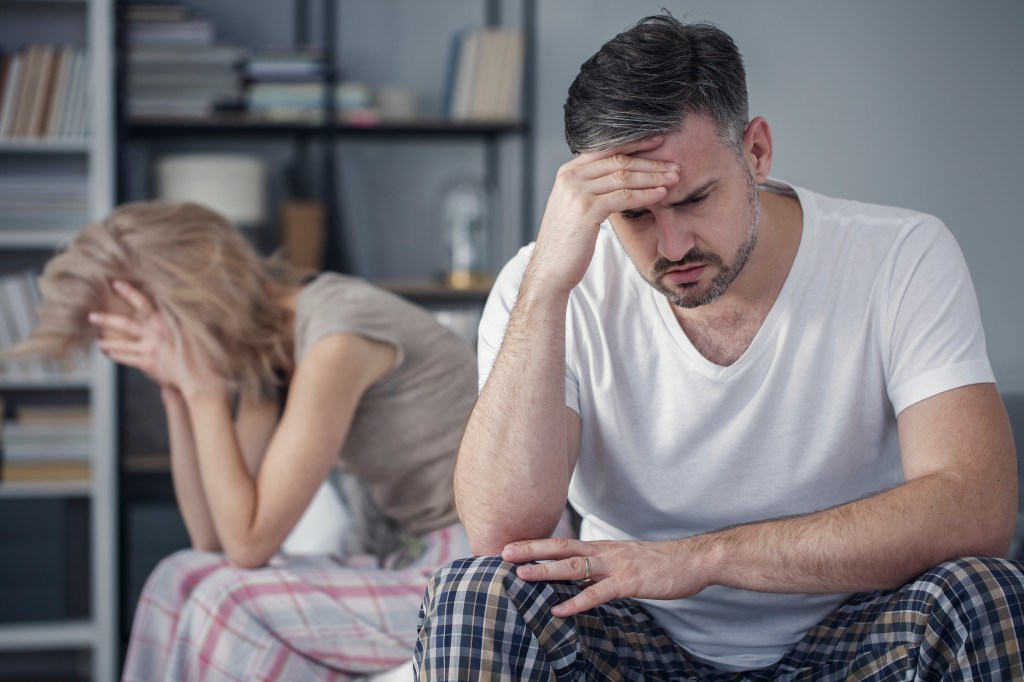
It’s important to openly talk about sexual difficulties.
Believe it or not, sexual difficulties are much more prevalent than you might think.
Plenty of people struggle with sexual arousal, performance, or pain – leading to feelings of shame, disconnection, or simply believing that something is “wrong” with them.
Sexual difficulties are painful enough, but they fester even more in silence.
Let’s talk about sexual difficulties and how complex they really are. Most sit at the intersection of brain and body, giving us a better picture of self-image and relationship(s).
This article will cover sexual difficulties stemming from physical issues, psychological conditions, and the connection between the two.
What are Sexual Difficulties?
When we talk about sex, we’re describing sexual functioning and satisfaction.
Sexual functioning refers to the body’s ability to be sufficiently aroused and perform sexual actions.
Satisfaction can refer to both the bodily pleasure from sexual interactions and emotional connection with your sexual partner.
While sexual difficulties can vary across a wide range of specific issues, we can break them down into (1) physical issues and (2) psychological issues.

1 – Physical Difficulties with Sex
These issues often involve basic bodily processes that affect how responsive and comfortable you are during sex, including:
- Erectile dysfunction (ED)
- Vaginal dryness or pain
- Vaginismus (vaginal muscle spasms causing pain)
- Delayed orgasm (DO)
- Absent orgasm (AO; Anorgasmia)
- Premature ejaculation (PE)
- Low energy/fatigue affecting sexual desire or functioning
- Hormonal imbalances (testosterone, estrogen, thyroid)
- Chronic physical illness/Chronic pain
- Medication side effects (Paxil, Lanoxin, Clonodine, etc.)
Most importantly, experiencing sexual difficulties from any of the physical conditions listed above is not a sign of worthlessness or personal failure – they are painful signals from the body.
While they need attention, adjustment, or support, don’t forget these are happening to you – not because of you.
2 – Psychological Difficulties with Sex
Even if your body is ready for sex, it doesn’t mean your mind is.
Psychological issues that affect sex can stem from emotional, cognitive, or relational factors, including:
- Sexual performance anxiety
- Sexual shame or guilt
- Anxious/avoidant attachment style
- Fear of vulnerability
- Previous sexual trauma
- Low self-esteem
- Issues with body image
- Chronic anxiety, depression, or stress
- Dissociation
Satisfying sex comes down to much more than just willpower.
These are all painful barriers to sexual connection, but are oftentimes misinterpreted as a partner’s lack of attractiveness or performance.
You can believe your partner is the most attractive person in the world, but your own psychological issues can still be a barrier.
3 – The Sex Brain-Body Connection
Sexual functioning and satisfaction is best understood as the outcome of the brain-body connection.
Beliefs affect your thoughts, thoughts cause a response in your body, and your body’s response can affect your sex life.
Physical and psychological issues often interconnect to create sexual difficulties, such as:
- Low self-esteem, combined with the vulnerability of sex, can elicit an anxiety response. The nervous system’s survival mechanisms activate, taking priority over sex and inhibiting physical arousal.
- Chronic stress can slowly elevate normal cortisol levels, which can suppress libido and can disrupt hormone levels.
- Previous pain or expected pain during sex can elicit a preemptive response, leading to muscle tension that can result in pain
For healthy sexual experiences, we require physical safety and mindfulness of that safety.
At the first sight of judgment or pressure, the mind and body will seek to protect rather than open up to the vulnerability of sex.
To be clear, this isn’t something wrong with you, it’s your mind and body trying to protect you.
However, it’s important to consider what you’re trying to protect yourself against by asking: “What is my body trying to tell me?”

Common Causes of Sexual Difficulties
While sexual difficulties aren’t limited to a single cause, they can result from a variety of reasons including:
1 – Chronic Stress
Prolonged periods of elevated stress are bound to affect sexual functioning and satisfaction. Simply put, when your life is overwhelming, your brain and body will prioritize survival over sexual pleasure.
This can be work stress, burnout, financial strain, and emotional exhaustion.
2 – Relationship Issues
Sexual difficulties are commonly linked to relationship issues.
Issues like resentment, unresolved conflict, or emotional disconnects can easily reduce libido.
Sexual experiences depend on how safe you feel with the other person, physically, emotionally, and mentally.
3 – Problematic Expectations
Plenty of people talk about what sex “should” be, sometimes providing an intimidating image.
These expectations can be from sexual scripts you’ve learned about from others.
They could also be the result of pressure from social or religious cultures to engage with sex in a specific way (or not at all).
4 – Trauma or Harmful Experiences
Trauma is often at the center of survival and can easily disrupt sexual functioning and satisfaction.
It doesn’t have to be trauma, but any instance where sex is tied to danger or loss of control can bind the two concepts together.
It probably feels impossible to have sex when your mind and body are ready to fight or flee.
5 – Shame & Criticism
Even thoughts about sex can be shamed from an early age.
Shame from family or community can lead to a negative relationship with yourself and your sexuality.
Even worse, their shame can echo in your own thoughts as self-criticism.
4 Steps to Address Sexual Difficulties
I can’t provide you with a cure-all, but I can lay out a series of steps to increase understanding for yourself and possibly come closer to finding a solution.
1 – Validate Yourself
The first step is to validate the pain and nature of your sexual difficulties.
They aren’t signs of failure or weakness, but known and commonly experienced issues influenced by physiology and psychology.
2 – Talk About It
It takes courage, but I would suggest speaking about sexual difficulties with whoever will respectfully listen, hopefully that being your partner(s).
You can share the basic details, but I would even encourage speaking about how it affects you and open up questions for how it might be affecting them.
With sexual difficulties, it’s crucial that you feel like you’re on the same team with whoever’s involved.
3 – Meet with a Medical Professional
Physical health plays a large part in sexual health, so please consult with a medical professional like a family physician to speak about any sexual difficulties.
They can evaluate your hormone levels, check medication side effects, and assess pain or other physiological symptoms.
4 – Speak with a Mental Health Professional
Well-trained mental health professionals can not only help you process sexual difficulties in a safe space, but collaborate with you to find any psychological factors possibly underlying the issue.
They can help you unpack sexual shame, trauma, or relationship dynamics that might affect sexual functioning or satisfaction.

Becoming Comfortable with Discomfort
Sexual difficulties thrive in silence and can start healing when they’re allowed to come to light.
Three of the four steps include being open about your sexual health – with your partner, a medical professional, or a mental health professional.
The path to healing will require a lot of trust and self-care.
Becoming comfortable with the concept of sex can be the first step towards a healthier relationship with yourself, sex itself, and those who you might experience it with.
Your sexual health, and any sexual difficulties, are worth talking about openly and honestly.

 Reflections
Leave a comment