
By: Camden Baucke MS LLP
Life is all about relationships, so it’s important to know what to do when they go south.
More importantly, it’s crucial to distinguish between a typical challenge of relationships and something that is truly an impasse.
In this article, I’ll talk about what relationships are, how to tell the difference between challenges and issues, and how to start planning your next steps.
The Basics of Relationships

Mental health splits relationships into two types: (1) with yourself (intrapersonal) & (2) with others (interpersonal).
We frequently speak about both of these relationships in therapy.
Along with these types of relationships is a level of intimacy and trust.
Trusting yourself and your loved ones is not just a feel-good, it’s often a necessity.
In psychology, we have something called a “microsystem”, which is the closest ring of people in our life, including:
- Parents
- Partners
- Siblings
- Children
- School
- Religious Settings
- Peer groups
- Neighbors
These people have a greater ability to influence our life – in a spectacular way or the worst way possible. For example, 8 out of every 10 sexual assaults are committed by someone the victim already knows like family or friends. On the other hand, a healthy microsystem of people can help support you for a lifetime.
Now, this doesn’t mean that strangers or crowds can’t be an issue as well. If you avoid or endure them with great distress, this could be signs you might have social anxiety disorder.
Relationships, either in your microsystem or with complete strangers, always hold room for conflict.
But it’s worth asking yourself, what’s the difference between a challenge and an issue?
Relationship Challenge vs. Issue
They might seem synonymous, but there is a substantial difference between challenges in a relationship and a true issue.

What is a Relationship Challenge?
Put plainly, relationship challenges are manageable.
Every relationship has natural and unexpected challenges.
They’re often minor squabbles regarding communication or finding common ground on manageable disagreements.
Challenges come up, they’re discussed, resolved, and then they pass.
Common challenges include:
- Stress from circumstances such as moving, job stress, financial stress, or financial pressure.
- Misunderstandings or communication mishaps.
- Life transitions like having a child, attending school.
- Minor differences in preferences about plans, hobbies, or spending habits.
For example, imagine a young couple deciding where to move to next. One partner wants to live in Maine, but the other wants to live in Florida. It’s a disagreement, but the couple can work together and find a solution that’s acceptable for either. This young couple works through this challenge for roughly two weeks, they make their decision, and move on.
Not every challenge needs to signal the alarm – no relationship is free from challenges, nor should we run from relationships that have them. If you avoid any relationship with a challenge, you’ll likely find yourself alone.
When a challenge isn’t temporary and transforms into a roadblock, it becomes an issue.
What is a Relationship Issue?
Try to think of a challenge as a mistake, and an issue as a habit.
Relationship issues are commonly persistent difficulties that don’t resolve and pass – they tend to stick around until you address it.
These can often be:
- Lack of trust, jealousy, secrecy, or persistent dishonesty
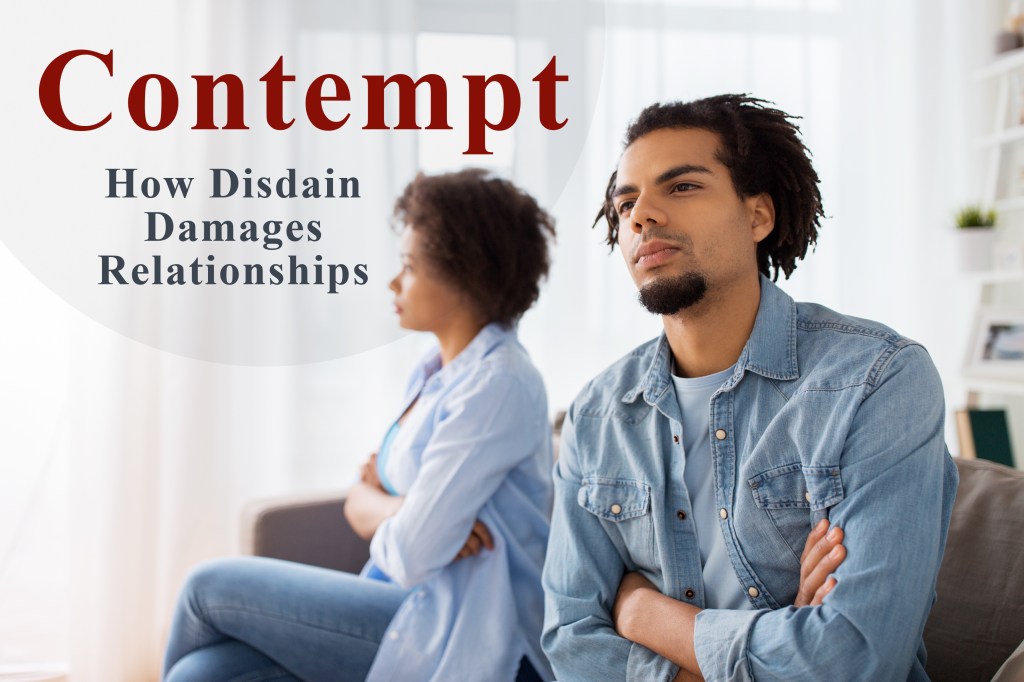
- Frequent criticism and disrespect with put-downs, sarcasm, or contempt
- Conflicting life goals or values such as children, lifestyle, or religion
- Poor conflict resolution habits like stonewalling, escalation, and avoidance
- Controlling behavior or abuse, either physically, emotionally, or sexually
- Addiction or harmful habits such as substance use or impulsive behaviors
- Emotional disconnects such as chronic lack of emotional closeness, affection, or sexual compatibility.
These are more intense than manageable mistakes. They are habits, impasses, and states of being.

How to Tell the Difference
It’s important to know how to tell the difference between a relationship challenge and an issue
The first way to tell is time – how long does the distress and conflict go on? Is it a week or the last four months?
The second way to tell is intensity – how distressing is the conflict and exactly how bad does it make you feel?
The third way to tell is functioning – how much does this situation affect your life? Can you still go out with friends, go to work, or do your regular routine?
This isn’t a comprehensive list, because you’re the best reporter of how you feel.
What Do I Do Now?
Challenges are a form of adversity – a time to exercise resilience, cooperation, and patience.
Issues are more like a puzzle – the puzzle needs the next best piece before you can move on.
To address the puzzle of relationship issues, it’s crucial to choose from the following set of suggestions:
- Reflect on Patterns – clearly identify recurring problems, how they’re happening, and who’s involved
- Seek Support – you can share your issues with a trusted friend to gain more perspective
- Meet with a Mental Health Professional – Individual therapy or couple’s counseling can treat relationship issues
- Assess and Prioritize Safety – If safety is an issue, either physically or emotionally, create a safety plan to protect yourself.
- Communicate Clearly or Set Clear Boundaries – If helpful, set clear protective boundaries for yourself in terms of behavior and communication.
- Decide on Next Steps – If things aren’t working as they are, chances are something needs to change. A chronic relationship issue usually doesn’t resolve if everything stays the same.

Final Thoughts
Relationship issues are persistent issues with trust, conflict, criticism, abuse, emotional disconnects, or harmful habits.
They’re not something to ignore or “tough out“. Relationship issues must be worked through, best done with a support network and mental health professionals.



 Reflections
Leave a comment