By: Camden Baucke MS LLP
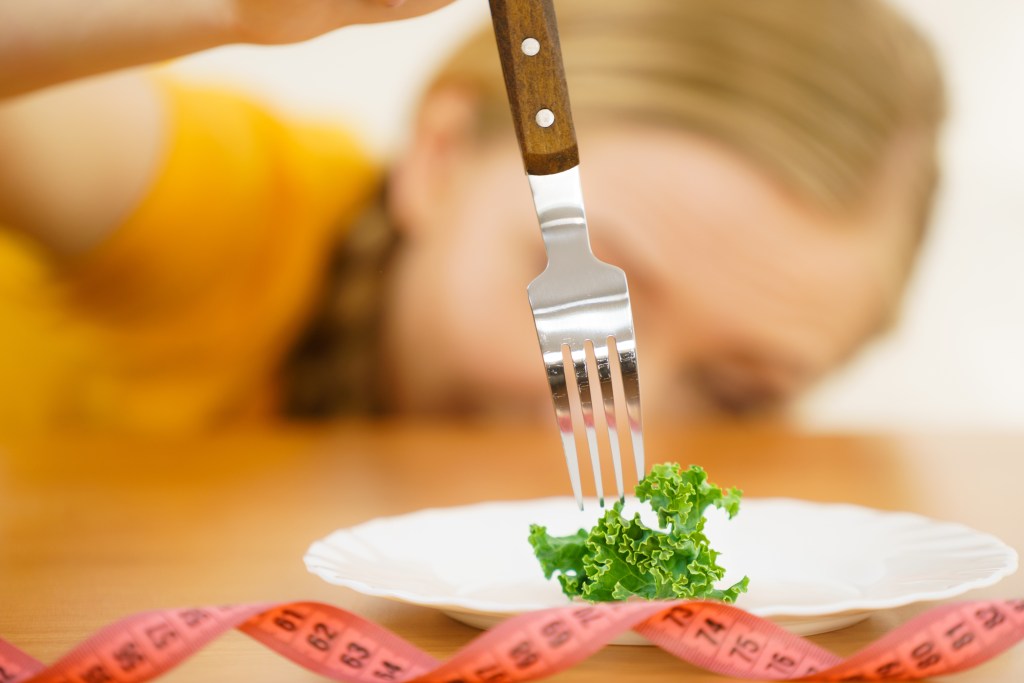
Meanwhile it’s not in the DSM yet, orthorexia is an up and coming issue in the mental health world.
You’ve probably heard about anorexia or bulimia, but orthorexia is unique in its own right.
It’s an increasingly common diagnosis, but its symptoms can often be mislabeled as health behavior.
In this article, I’ll dive into what orthorexia nervosa is, and how to distinguish it from other health-driven habits.
First, What are Health Behaviors?
I know it sounds self-explanatory, but health behaviors are the actions we take to improve or maintain our physical health.
These include:
- Physical activity to improve your cardiovascular and skeletomuscular systems.
- Outdoor activity to calm your nervous system.
- Consuming healthy foods to improve overall health and well-being.
- Reading labels to avoid allergens or specific ingredients.

These sound pretty run of the mill right?
In fact, many of these behaviors can boost your mental health.
- Physical activity has shown to improve depressive symptoms.
- Meals with vitamin D and vitamin C help with seasonal affective disorder.
- Nature activities have shown to improve mental health and are even prescribed in other countries.
While these behaviors can be helpful, they can only do so in moderation. If they are taken to an extreme, that’s when you get orthorexia.
What is Orthorexia Nervosa?
Think of orthorexia as an extreme perfectionism of diet and exercise.
I often think of it as a cross between OCD and eating disorders because of its obsessive attention to health behaviors.
When I mean obsessive, I am speaking about deeply psychological thoughts – ones driven by morality, self-esteem, and identity.

Most often, orthorexia is an obsession about the purity or cleanliness of your food.
While it’s a privilege to have nicer food, this obsession is about rigid rules enforced by guilt and shame.
Orthorexia sets the rules, which then you have to follow (compulsions). This means you must not attend social events with “impure” foods and stay strictly to the diet you set for yourself.
To be clear, seeking healthy ingredients is not a bad thing. In the United States, there still is a lack of ingredient regulation, so it makes sense you have to be on your toes when it comes to your food.
With that being said, it’s important to determine what is health-conscious and what is orthorexia.
The two key aspects of orthorexia are:
#1 Emotional distress (anxiety, obsessions).
When you develop “health rules”, spend hours a day thinking about food quality, ingredients, toxins, or “chemicals“, all to gain control and feel relieved from anxiety, then you might have orthorexia.
#2 Disruptive symptoms (avoiding social engagements, food restriction).
Weight loss isn’t always a good thing. Orthorexia can affect muscle composition resulting in weakness, and can lead to being nutrient deficient. It also leads to fatigue, hormone imbalances, and issues with digestion.
As you can see, orthorexia might appear like typical health behavior, but it is surrounded by panic and pain. To truly determine the difference, you need to ask yourself this question.
If you wanted to eat unhealthy food, could you? If you can’t, why not?
What to do with Orthorexia?
Being a therapist, of course my first suggestion is to seek therapy.
That’s because we get down to the root anxieties behind the behaviors, and build a better path from there.
But if you want to make sure it’s orthorexia or not, it’s worth having a conversation with a loved one.
Talk about the two main aspects of orthorexia nervosa: disruptive symptoms and emotional distress.
It’s not shameful to discuss a habit driven by shame – it’s allowing others to love you when you need it.

Final Thoughts
Take it from me, and don’t let yourself, or someone you love, tackle orthorexia nervosa on your own.
Much of our obsessive thoughts feel normal to us, but other’s perspectives can help us pin down what is healthy behavior and what is obsessive and compulsive.
It’s good to be healthy, but you don’t NEED to be healthy to be good to yourself.

 Reflections
Leave a comment