
By: Camden Baucke MS LLP
A little over a year ago, I stumbled upon a video of a man who quit his job in Neurosurgery.
He described the devastating toll of his job as well as his use of alcohol before he quit.
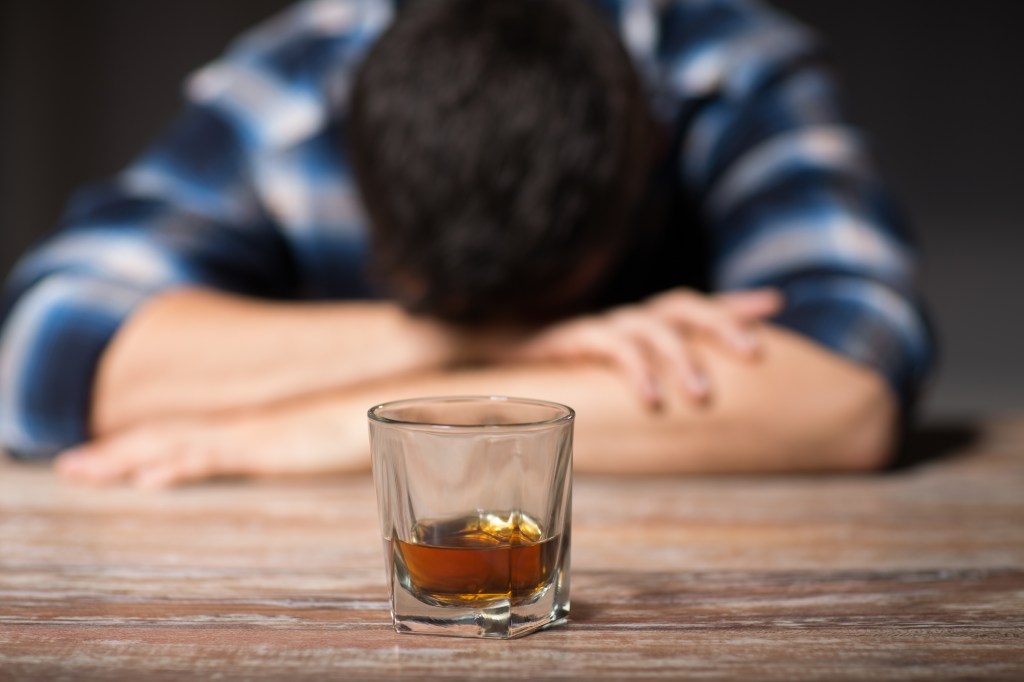
When he was drinking, he started to notice a dreadful experience that came with drinking, describing it as “stealing sunshine from tomorrow”.
When enough days don’t have sunshine, everything becomes bleak.
This isn’t just true for ex-neurosurgeons, but for anyone who consumes alcohol.
Underneath this experience is a commonly discussed neurotransmitter – Dopamine.
Dopamine is a key component of motivation, mood, and overall behavior. In this article, we will cover how alcohol affects dopamine, and how it can dramatically affect your life.
What Does Dopamine Do?
While dopamine is commonly known as the “pleasure” chemical, it’s actually more of the “go and get it” neurotransmitter.
Dopamine isn’t just about receiving, it’s about doing. Dopamine release results in anticipating a reward that drives effort to earn.
I know you’ve probably heard it a million times – when our dopamine levels are balanced, life is pretty nice. You wake up each day with a curious drive to earn, learn, and receive the fruits of your labor.
However, when your dopamine levels are shifting or low, life quickly becomes stale or stagnant. Not only do rewards feel less pleasurable, but our bodies are less motivated to do the work.
If dopamine levels are affected, that means that you might be seriously unmotivated.
How Does Alcohol Affect Dopamine Levels?
Alcohol directly influences dopamine levels in the brain.
When you drink, there’s a surge of dopamine that temporarily leads to increased confidence, satisfaction, and even relaxation.
Drink often enough, and your brain starts to put two and two together and makes drinking the target for dopamine release (and not much else).
While it feels good for a second, it doesn’t last much longer. Even worse, when you’re done drinking, your dopamine levels don’t immediately return to normal – They drop below your normal baseline.
A flood of dopamine from drinking creates a dopamine debt to recover from.
That means that once you’re sober again, you might feel flat, anxious, or unmotivated.
Drink often enough and your dopamine levels start to adjust to the new “normal” – less dopamine is produced from the substantia nigra and dopamine receptors start being less sensitive.
This is what we call an increasing tolerance, which means you would have to consume even more alcohol to get the same amount of dopamine as you would before.
How Much Alcohol Does it Take to Affect Dopamine Levels?
One to two drinks of alcohol is all it takes to affect your dopamine levels.

Even if you don’t feel hungover, your dopamine levels must recover from the night before.
Three to four drinks can result in a noticeably more negative state the next day, resulting in irritability or anhedonia.
Five or more drinks takes the dopamine debt to an extreme. It could take 1-3 days for your dopamine levels to recover.
As a reminder, this doesn’t have to be all at once. Your dopamine levels are not only affected by how much you drink, but also by how often you drink.
If you drink repeatedly, then you don’t give your brain time to recover, leading to an extended experience of low dopamine levels.
Over time, this can dull any pleasure, joy, or anticipation. Consistent drinking might be a common response to painful thoughts, feelings, or memories.
However, you might be ridding yourself of negative experiences at the cost of anything pleasurable in the near future.
I want you to know this information and exercise self-compassion. If you criticize yourself for feeling less motivated, that’s often what keeps the cycle going.
Why Self-Criticism Only Makes it Worse
As it turns out, beating yourself only makes a bad habit worse.

Criticizing yourself for drinking often involves a lot of negative self-talk. If you treat yourself poorly, you’re only giving yourself more negative experiences to avoid, potentially with alcohol.
Beating yourself up for consequent symptoms of drinking is just as harmful. If you self-criticize for symptoms of low dopamine levels such as low motivation, low mood, anhedonia, irritability, or anxiety, your treatment of yourself only makes the situation worse.
Beating yourself up often contributes to continued drinking, which racks up more dopamine debt.
Why Does This Matter for My Mental Health?
Alcohol has a direct impact on dopamine, which directly affects goal driven behavior.
Goal driven behavior is a crucial part of a personally fulfilling life. Dopamine has an important role before, during, and after your efforts to achieve.
Your dopamine baseline also plays a large part in your quality of life. Relationships, fun, and leisure all require dopamine to do its thing.
Functioning and quality of life are the two pillars of mental health. Both need dopamine, which can be negatively affected by alcohol consumption.
Final Thoughts
Dopamine is not just about pleasure, it’s about momentum.
It’s what keeps you in a cycle of aspiring, completing, and enjoying – but alcohol can slow your momentum.
Yes, it can make your thoughts and emotions go away for a night, but it can steal the sunshine from tomorrow.
A tomorrow with less dopamine, less drive, less emotion, and less meaning.
Today might be gloomy, but the answer is to practice self-care and self-compassion.
If you can take care of yourself, without alcohol, you can make your day brighter without the expense of stealing sunshine from tomorrow.

 Reflections
Leave a comment