

By: Camden Baucke MS LLP
Pain is a deeply human experience.
We often spend our whole lives trying to avoid pain.
Sometimes, it’s the necessary labor pains to bring a new life into the world.
Pain has a biological, mental, and emotional purpose, and to live a healthy life, it is crucial to understand what that purpose is.
In this article, I’ll cover why pain is an important signal and how we can best respond to it.
The Biology of Pain
Pain is the product of something we call “p-signals“
Essentially, you have specific neurons in your skin, muscles, joints, and some organs called pain receptors (nociceptors).
These receptors are like watchtowers, detecting any threat in the form of heat, pressure, or irritation.
If pain receptors recognize a threat, they send an electrical nerve signal to alert the brain. This p-signal travels from the specific pain receptors to the spinal cord, which then serves as the main highway for the signal to reach the brain.
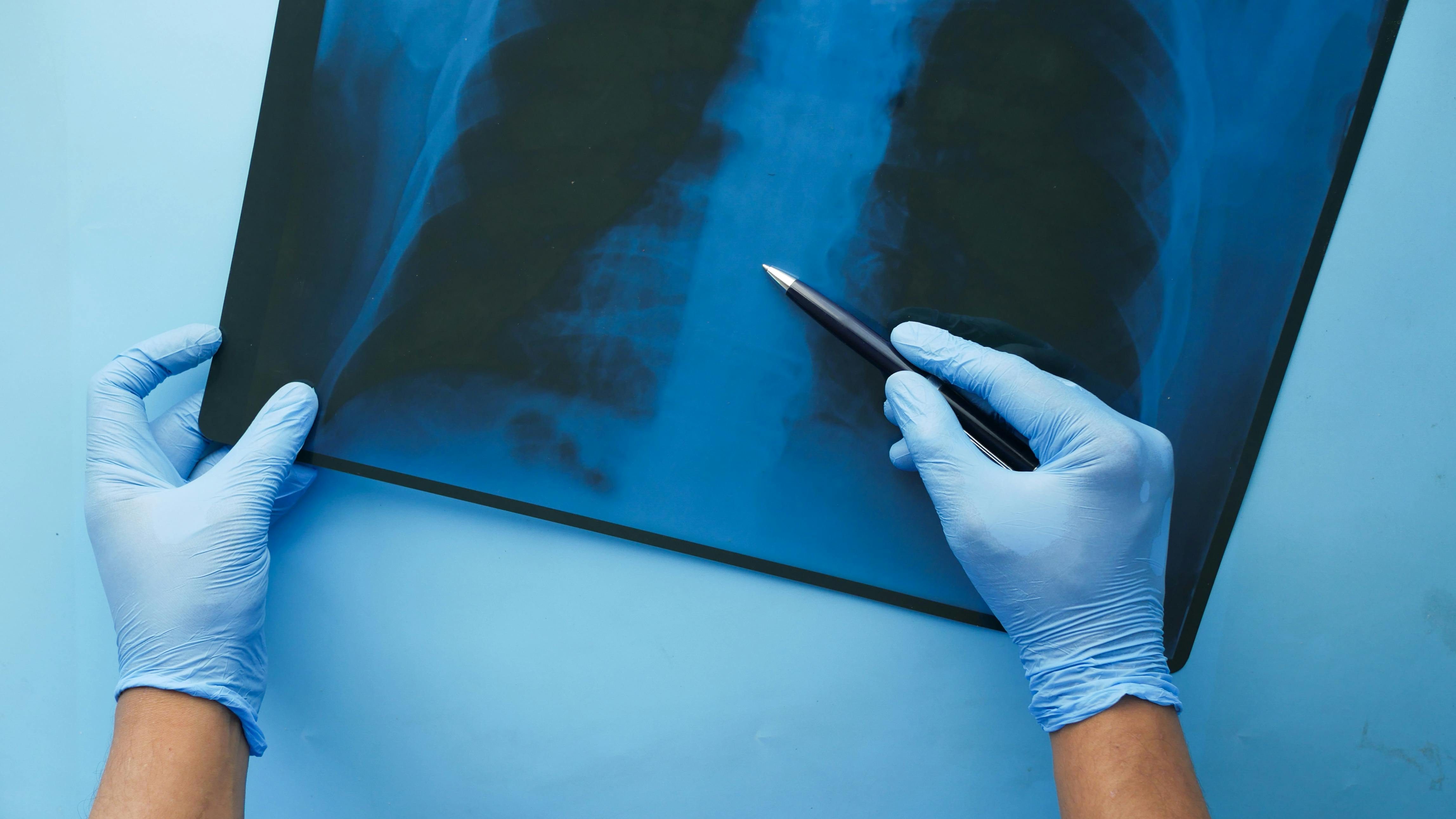
Once a pain is detected, and then the signal is transmitted, the brain interprets the signal. The brain then processes the pain in an emotional way (through the limbic system and prefrontal cortex) and determines what to do next.
Internally, the brain may often respond to pain by releasing endorphins, serotonin, or adrenaline.
Externally, the brain might call for an action, such as staying away from the stimulus that caused the pain.
For example, if you touch a hot stove, the pain receptors in the skin of your hand will detect the threat of damaging heat. This p-signal will be sent to the spinal cord and straight to the brain where it will be processed. Your brain will demand you yank your arm away from the danger and possibly release adrenaline to protect you from such a threat.
Pain is a complex, but very necessary biological system that helps us protect our wellbeing.
Why Pain Matters
As you could probably see, pain matters because it keeps us from danger.
However, you might be thinking that some pain is necessary in life, which is true.
Discomfort is a type of pain which can be a part of challenges where you need to endure pain to succeed.

So which pain is supposed to be a sign of danger and which pain is a barrier to overcome?
Even asking this question shows there is some nuance to which pain we endure and which we avoid.
Living a healthy life means understanding the grey areas of pain. It means determining at which point a growing pain becomes more threatening than discomfort.
There are consequences of a black and white approach to pain.
The Extreme Ends of Pain Management
At one extreme end of pain management is avoidance of all forms of pain.
This end is obviously unrealistic and has consequences at every stage of life.
Working is often uncomfortable, so is taking care of your physical health and managing your responsibilities. Heck, even walking is sometimes uncomfortable.
To avoid all the pain of life is to avoid living. On the other extreme end is lacking any awareness of pain.
There’s a condition called Congenital Insensitivity to Pain (CIP), which is an inherited inability to feel physical pain. While it sounds nice at first, the statistics show the reality of living without the watchtowers that keep you safe.
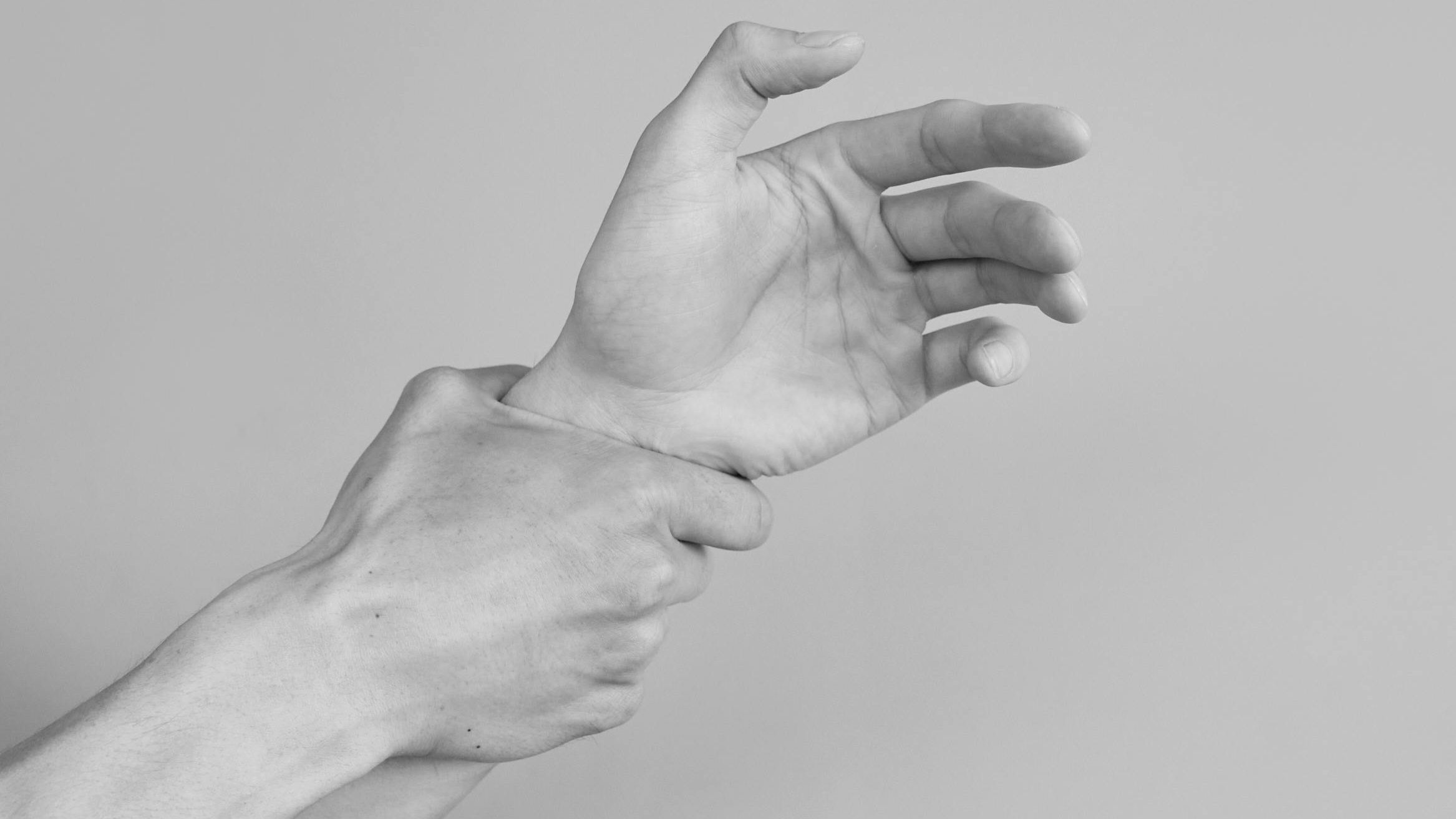
CIP often results in untreated injuries, joint damage, infections, and even accidental self-mutilation (i.e. biting lip) because there are no p-signals. As a result, the mortality rate for children with CIP is as high as 20% to 50%. Not experiencing pain is not a superpower, it’s actually a vulnerability that can drastically reduce life expectancy.
Someone without CIP can try and emulate this condition by not responding to any p-signals. This person might aim to be “tough” in all scenarios.
As I said earlier, a certain amount of grit is needed to endure the necessary discomforts in life. However, if you try to tough out every pain there is, you might be hurting yourself more than helping.
Toughness often ends up being an extreme response to pain rather than a balance. It’s a call to ignore and endure p-signals, which may have very real and important information worth listening to.
If pain avoidance and toughness are opposite ends on a scale, what’s the healthy balance?
Bending Versus Breaking
To recognize the nuance of pain, you must understand what is damaging and what is challenging.
Damage is a pain worth listening to. Listening to p-signals from legitimate threats is exactly what our pain receptors are for.
For example, if your knee hurts to the point of limping, it’s telling you to stay off it because there might be injury. It’s completely different if you were exercising and now your legs are sore. That would be the pain of challenge.
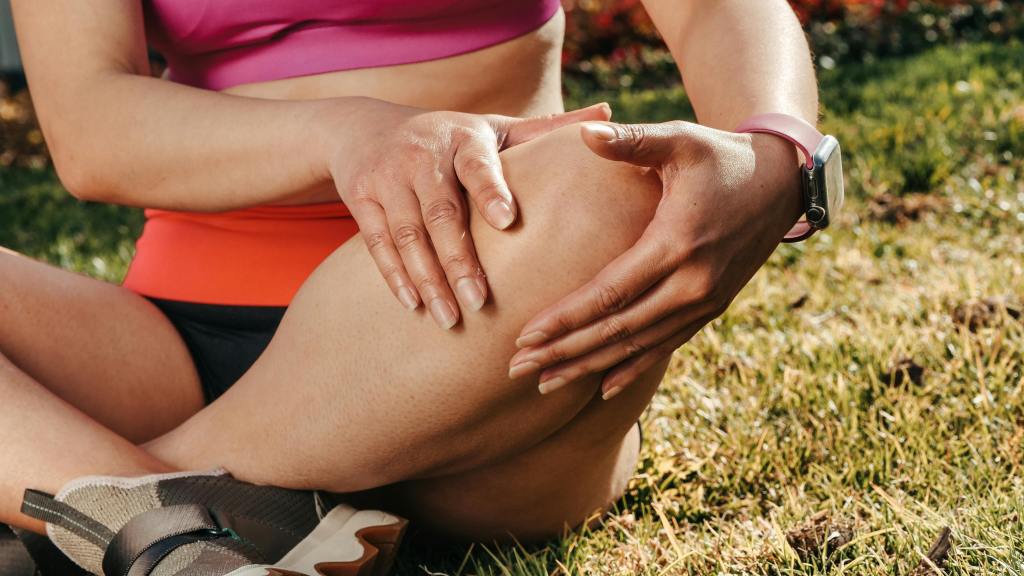
Challenge is a pain worth listening to, but also worth embracing to achieve a goal. It’s what you can heal from relatively quickly.
To balance your response to pain, you must be like an airplane wing. Wings must be flexible enough to bend and not break during turbulence. If they get near breaking, it’s time to land the plane or not take off to begin with. However, not every type of pain is the same.
Types of Pain
While I’ve been telling you about physical pain, there are other forms of it such as emotional and mental pain.
These come in the form of anxiety, loneliness, depression, heartache, grief, and so on.
Balance is just as important in managing emotional and mental pain. There’s times when you may try to “tough” out anxiety or try to avoid any emotional pain, which often leads to loneliness, which also hurts.
You might be facing an autoimmune or chronic pain that isn’t limited to any specific threat. I empathize with you if you experience this, but pain in this form often means taking care of yourself rather than fixing the problem.

For example, chronic lower back pain likely signals you to engage in self-care by icing it, refraining from activities that would further aggravate it, and so on.
To respond well to pain, we need to understand its purpose. The purpose of pain is the steps you take to address it.
How to Evaluate Your Pain
As a therapist, I always encourage balance. For each category of pain, I suggest staying away from either extreme of ignorant toughness or pain avoidance.
Look at each category of pain, and really determine the thin line between damage and challenge.
Physical Pain
Learn to discern what is a growing pain and what is a break.
For example, the goal of exercise is to create microtears in the muscle to improve strength and tone. However, if your tendon snaps off the bone, then it’s no longer a challenge, but severe damage. If you do feel the pain from damage, don’t tough it out.

Like your brain, you should aim to address it by going to a physician. They could heal it with surgery so you can recover and get back to growing, not breaking.
Mental Pain
Learn to discern what is mental anguish and what is a mental challenge.
For example, work or academics are meant to challenge your cognitive abilities. This can improve neuroplasticity and create positive changes in the brain. However, if work or academics are causing constant migraines and fatigue, then they are no longer challenging, but damaging.

I would suggest you address it by taking breaks or cutting down to a manageable workload. With enough rest, or less stressors, your brain could go back to growing and functioning well in no time.
Emotional Pain
Learn to discern the difference between manageable stress and unmanageable stress.
For example, every romantic relationship comes with its ups and downs. Even the healthiest of relationships have arguments and disagreements. However, if it gets to be so frequent and severe, it’s possibly become unmanageable.

I would then encourage you to evaluate if parts of the relationship are challenging, or if parts are damaging your self-esteem, trust, or feelings of safety. You could attend individual therapy, couples counseling, or even speak with a friend about it.
Final Thoughts
Pain might feel bad, but it’s often not bad.
It’s your body working to protect you, and it’s important to determine if you should respond or endure.
There’s plenty of nuance to that decision, but it’s yours and yours alone.
The most special part about pain is you’re the only person who gets to receive those signals.
Your p-signals are yours, and what you do to protect yourself is up to you.

 Reflections
Leave a comment