
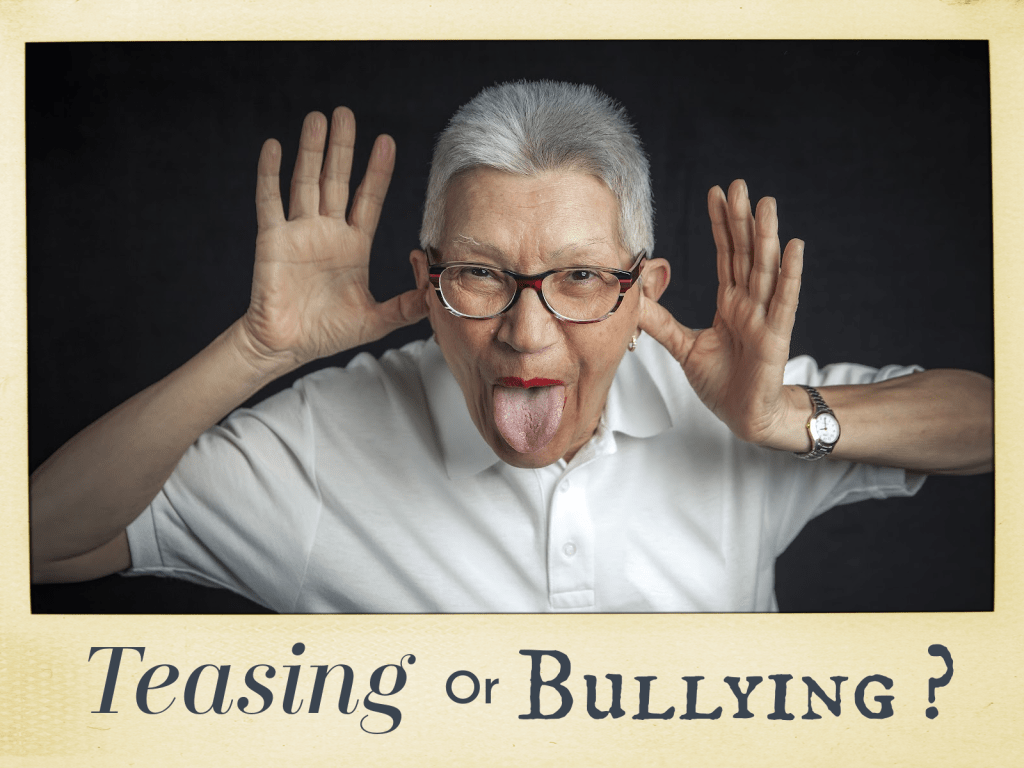
How do you know if someone means what they say?
It’s a common and sometimes painful dilemma trying to figure out whether you’re being teased in a friendly way or bullied in a hurtful one. This confusion isn’t just reserved for kids on the playground. It happens in classrooms, friendships, families, and even romantic relationships. Understanding the difference is vital for your emotional well-being, boundaries, and confidence.
Although teasing and bullying are fundamentally different, they often overlap in tone, language, or setting. One can even disguise itself as the other. That’s why it’s important to know the signs, because how you respond depends on correctly identifying what’s really happening. In this article, we’ll explore the difference between teasing and bullying, how to recognize each, and what steps to take if you realize you’re being bullied.
What is Teasing?
Teasing is defined as making fun of or provoking someone in a playful, humorous way. The key word here is playful. It implies light-heartedness, mutual understanding, and even affection. Teasing can look like exaggerated jokes, sarcastic comments, or nicknames, but it usually involves a shared understanding that both parties are in on the joke.
For example, calling a tall, muscular athlete “Smalls” is teasing. The comment is so obviously untrue that it’s absurd, and that’s what makes it funny. The subject of the teasing is likely not hurt by it because it doesn’t touch an insecurity. In fact, it might even be a hidden compliment about their physical strength or size.
Playful teasing often targets something someone does, rather than who they are. It’s also typically brief, non-repetitive, and doesn’t leave a lasting emotional wound. You can think of it like gentle ribbing between friends that makes everyone feel included and connected.
Here are some signs that teasing is friendly:
- You laugh along with it and don’t feel belittled.
- The person teasing you would stop if you asked them to.
- The teasing isn’t about something you’re sensitive about.
- It comes in a context of closeness or familiarity.
- It leads to feelings of camaraderie or connection, not shame or isolation.
Healthy teasing helps strengthen relationships. It gives us a chance to laugh at ourselves, smooth over minor mishaps, and not take life too seriously. But when the tone, context, or content shifts, it can quickly become something else—something harmful.
What is Bullying?
Bullying is very different from teasing. It’s aggressive, unwanted, and often repeated behavior that aims to belittle, dominate, or control another person. While overt bullying is easy to spot, like yelling insults or physically intimidating someone, more subtle forms, like passive-aggressive comments disguised as jokes, can be harder to detect.
One of the clearest signs of bullying is that it doesn’t feel safe. You might feel anxious, humiliated, or small after an interaction, even if the person insists they were “just joking.” Another clue? Bullying often targets personal traits or insecurities, like your intelligence, appearance, culture, or identity, rather than playful exaggerations of behavior.
Let’s return to the earlier example. If David accidentally orders way too much cheese at a restaurant and a friend says, “Wow, love cheese huh?” That’s probably teasing. But if someone later says, “You’re always messing things up. You’re honestly kind of useless,” that’s bullying. It crosses the line into hurtful territory and attacks David’s character or competence.
Here are common signs of bullying:
- You feel belittled, embarrassed, or upset afterward.
- The comment touches on a personal insecurity.
- The person brushes off your discomfort or blames you for being “too sensitive.”
- It happens repeatedly, even after you ask them to stop.
- It doesn’t contribute to connection—it erodes your self-worth.
Passive-aggressive bullying is especially damaging because it hides behind a mask of humor. A person may say something hurtful and immediately follow it with, “Can’t you take a joke?” or “Relax, I’m just playing.” But just because someone calls it a joke doesn’t make it one. If it consistently makes you feel worse about yourself, it’s not teasing—it’s bullying.
Key Differences Between Teasing and Bullying
| Teasing | Bullying |
|---|---|
| Light-hearted and playful | Hurtful and aggressive |
| Targets behavior or obvious traits | Targets insecurities or identity |
| Builds connection and trust | Damages self-esteem and relationships |
| Ends when you ask | Continues, sometimes escalates |
| Mutual and inclusive | One-sided and controlling |
How to Tell the Difference
In the moment, it can be tough to tell teasing from bullying, especially when it’s disguised in humor. One of the best indicators is how it feels. While your emotions aren’t always a perfect measure, your intuition often picks up on subtle cues before your mind does.
Ask yourself:
- Did I feel closer to this person after the comment, or more distant?
- Would they have said the same thing if others weren’t watching?
- Have they made similar comments before, even after I asked them not to?
- Do I feel like I’m walking on eggshells around them?
If you consistently feel put down, anxious, or confused after these interactions, it might be time to reassess whether this is a healthy dynamic.
What to Do If You’re Being Bullied
The first step is to trust yourself. If something feels off, it probably is. Here are some ways to address it:
1. Call It Out Gently
Sometimes, a simple question like “Hey, what did you mean by that?” is enough to reveal someone’s true intention. A person who was genuinely teasing will likely explain, apologize, or adjust. Someone who was bullying may become defensive, dismissive, or double down.
2. Set Boundaries
If you feel comfortable, be direct. You can say:
- “I don’t find that funny.”
- “I’d appreciate it if you didn’t joke about that.”
- “That actually hurts my feelings.”
Your boundaries are valid, even if the other person doesn’t understand or agree.
3. Limit Contact
If the behavior continues, you have every right to distance yourself. That might mean spending less time with that person, limiting conversations, or, if necessary, cutting ties altogether. Your peace of mind is more important than preserving a toxic dynamic.
4. Get Support
Talk to someone you trust like a friend, therapist, or mentor. Bullying can be isolating, and having someone validate your experience can be incredibly healing.
Conclusion
Understanding the difference between teasing and bullying helps you protect your self-worth, set healthy boundaries, and build stronger relationships. Teasing can be a fun and connecting way to laugh at life’s small mishaps. But bullying is never okay, no matter how it’s disguised.
You deserve relationships where you feel safe, seen, and respected. If someone consistently makes you feel small, it’s not your fault, and you’re not being “too sensitive” for noticing. You’re being wise, aware, and strong enough to choose better for yourself.

 Reflections
Leave a comment