By: Camden Baucke MS LLP
I’m not perfect. Nor are you or anyone you know. That’s the thing about being human: we are inherently flawed. However, this is not new information. Anyone who claims they are “perfect” likely has a plethora of issues to address. The phrase “I’m not perfect” is often used in arguments when one individual’s behavior is being scrutinized. While commonplace, this expression can convey something entirely different from its surface meaning. In this article, we will uncover what it truly signifies when someone says, “I’m not perfect,” during a conversation.
A Plea for Understanding
At face value, “I’m not perfect” can be interpreted as a plea for understanding. This phrase is often used in response to being held to unreasonable standards. If someone feels constantly punished for making understandable mistakes, they might utter these words to appeal for empathy. They may be asking for a reprieve, hoping the other party will acknowledge that perfection is an unattainable goal.
In this context, “I’m not perfect” is a way of saying, “I’m human, and I’m trying my best.” It reflects a desire for the other person to adjust their expectations to something more realistic and achievable. While this use of the phrase may be valid in certain situations, its meaning often depends on the dynamics of the conversation. Unfortunately, the perception of these expectations can sometimes twist this plea for understanding into a shield for avoiding accountability.

A Denial of Accountability
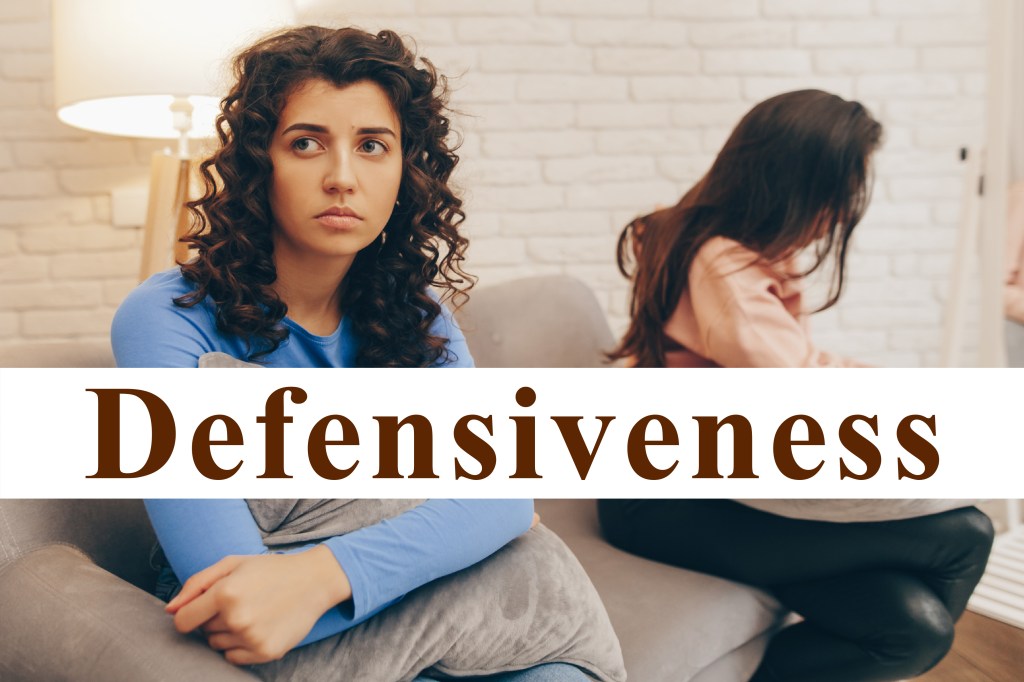
More often than not, “I’m not perfect” is used as a way to sidestep responsibility. For individuals who struggle to take accountability for their actions, this phrase becomes a tool for deflection. It shifts the focus away from their behavior and attempts to make the other person feel as though their expectations are too high.
This tactic can be manipulative. When someone says “I’m not perfect” to dismiss the impact of their actions, they are distorting the severity of the situation. It becomes a way to invalidate the other person’s feelings, making them doubt their own emotions or standards. For example, someone might say, “I’m not perfect” to justify disrespectful or hurtful behavior, implying that expecting common courtesy or basic respect is unreasonable.
In essence, this usage of “I’m not perfect” often translates to “Stop resisting; your expectations are unfair.” It’s a subtle way to undermine the other person’s valid concerns while avoiding personal growth or meaningful resolution.
How Should You Respond?
Since “I’m not perfect” is thrown around so frequently, it’s essential to consider how to respond when you encounter it. The best approach is to acknowledge the universal truth of the statement—no one is perfect—but also to challenge its use as a deflection. A simple yet effective response is to say, “I understand no one is perfect, but that doesn’t excuse [specific behavior].”
Adding “still” to your response can further emphasize accountability. For example, you might say, “You’re right, no one is perfect, but still, it’s important to address this issue.” This approach reinforces the idea that imperfection doesn’t justify hurtful or harmful actions.
It’s also crucial to recognize when the conversation is veering into manipulation territory. If someone consistently uses “I’m not perfect” as a way to invalidate your feelings or shift blame, it may be time to reevaluate the relationship or dynamic. Remember, you shouldn’t have to convince someone that basic respect and accountability are reasonable expectations.

Recognizing the Misuse of “I’m Not Perfect”
Understanding the underlying meaning of “I’m not perfect” can help you navigate complex interpersonal dynamics. Whether it’s used as a genuine plea for understanding or a tactic to avoid accountability, this phrase carries significant emotional weight. By identifying its true intent, you can respond thoughtfully and maintain healthy boundaries.
The next time someone says, “I’m not perfect,” take a moment to consider the context. Are they genuinely seeking empathy, or are they deflecting responsibility? A well-placed response can redirect the conversation toward resolution and prevent unnecessary conflict.
Conclusion
The phrase “I’m not perfect” is a double-edged sword. On one hand, it’s a humble acknowledgment of human fallibility. On the other hand, it can be a manipulative tool to evade accountability. By understanding its nuances and responding appropriately, you can foster healthier communication and stronger relationships. Remember, imperfection is a universal truth—but it’s no excuse for avoiding growth or respect in our interactions.
Please Subscribe!

 Reflections