
By: Camden Baucke MS LLP
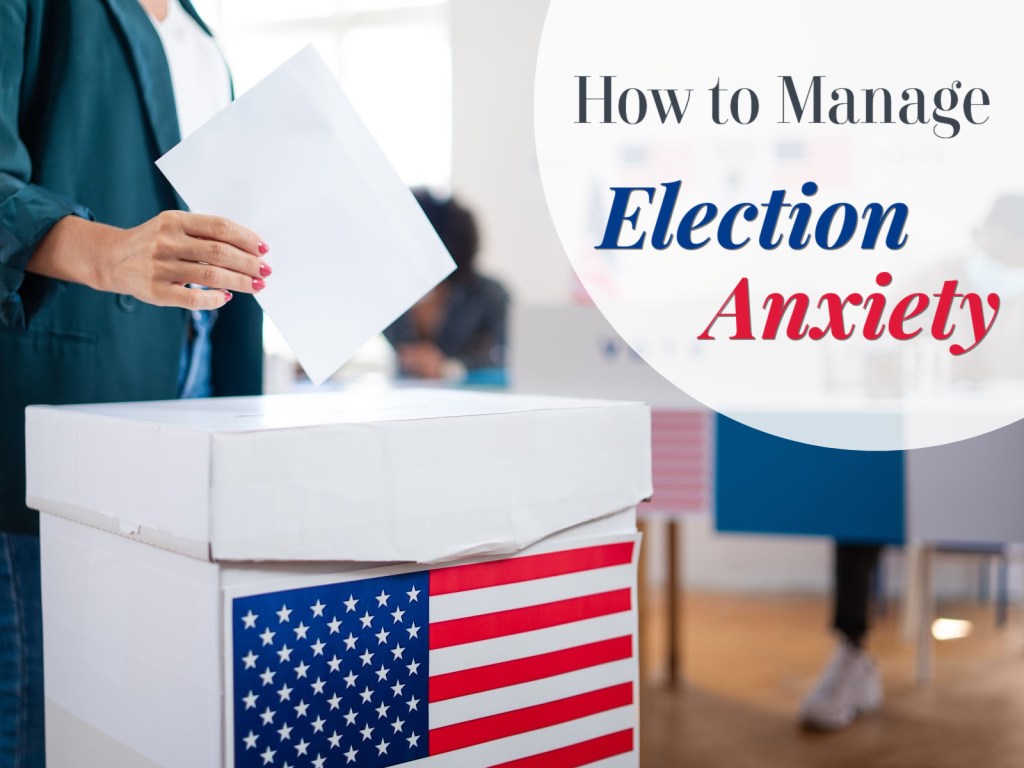
The world of politics can be a hostile environment. As the United States presidential election approaches, there is a pervasive anxiety and dread across the nation. Tensions in the race, as well as at the dinner table, can significantly impact mental well-being. The barrage of sensationalist news, vitriol on social media, and polarized opinions has created a mentally unhealthy climate. However, through the course of the next few months, there are effective methods you can use to manage that anxiety. The first step to protecting your mental wellness this election cycle is understanding exactly what you fear.
What is Election Anxiety
Election anxiety is an ongoing phenomenon, affecting individuals all across the country. Anxiety is a self-protective mechanism against threats which proves useful when fleeing or fighting in dangerous situations. However, fight or flight in those contexts can be effective as you can actively control an aspect of the situation. However, as big of a threat as the next election is described as, the only thing you can do is vote.
Other than filling in the box of your preferred candidate, you are subject to the outcome of the election. The process is not the threat that stimulates anxiety, it is the candidates and the perceived consequences if either are elected. In essence, it is a self-protective mechanism grasping for a sliver of control against a country-sized event with speculated catastrophe, win or lose for either candidate.
What Can I Do About It?
Fighting election anxiety is much like addressing other forms of anxiety. Once you understand what it is you’re experiencing, you can take active steps to reduce it. To begin, it’s important to address where the threat, triggering your fight or flight response, is being broadcast.
Step #1: Limit Media Consumption
Much of the current day media is used in a sensationalist manner. This means portraying events in a heightened sense of either excitement or terror to keep you engaged. This relies on the attention side of anxiety, as we will always focus our attention on something dangerous versus something neutral. This is not to say there are not dangerous aspects of election cycles, but it means they will be gift-wrapped in an alarming presentation.
Constant exposure to this form of media can create and exacerbate anxiety. It’s crucial to stay informed, yet abstain from too much media to avoid becoming overwhelmed.

- Set Specific times to stay off social media: i.e. work hours, morning routine, meal times, evening/bedtimes.
- Schedule News Check-Ins: Take 15-30 minutes a day to catch up on any important news related to the election
- Filter Your Sources: Find media outlets that provide information in a less sensationalist manner to stay informed yet mentally well.
Meanwhile the election is large and ongoing, you still have a meal to eat, work to be done, and a life to be lived. After you receive your news, it’s important to combat anxiety by centering your attention on what you can control.
Step #2: Focus on Your Control
This election cycle is a war of attention. Every source of media has some content related to the terrifying consequences of either candidates’ success or failure. These stakes and battlegrounds are so grand, it can feel out of control. To protect your mental health, it’s best to identify what you can control in light of everything you can’t.
- Vote: If you want to support a candidate, ensure you have a plan to vote
- Volunteer: If you want to do more than vote, reach out to the associated campaign and volunteer in phone banking or community outreach.
- Self-Education: Inform yourself about the electoral process, policies, procedures through books or other educational materials.
Now that you’ve identified and acted on what you can control, it’s time to accept what you can’t. It is an arduous task to let go, but it leads back to yourself and what you can do to improve your situation, starting with meeting your needs.
Step #3: Practice Self-Care
You are the vehicle for your life. Meaning that election anxiety can easily spread to each aspect of your life. The current election cycle is creating a massive amount of stress on the everyday person. Popular media will place the responsibility for preventing the “devastation of democracy” into the hands of everyone over 18 years old. With all that stress needs to come a form of self-care.
- Exercise: Any form of physical activity such as walking, lifting, gardening, can release endorphins, improve mood and reduce stress.
- Grounding Techniques: Keeping your mind where your feet are is imperative in managing your mental health. Take just 5 minutes to identify 5 things you can see, feel, hear, smell, or taste.
- Mindfulness Techniques: Meditation, deep-breathing exercises, and yoga can improve your mental health and help you become more resilient to stressors.
- Hobbies: Engage in activities you enjoy and that capture all your attention. It is not only enjoyable but beneficial to your mental health.
- Progressive Muscle Relaxation: Tense and release each muscle group, squeezing and relaxing each part of your body which results in feelings of calmness.
There are plenty of ways you can support yourself throughout this election cycle. However, connection is important and can play a large role in the upcoming months, either positively or negatively. That is why it’s important to evaluate the role of others in your election anxiety.
Step #4: Seek Support & Set Boundaries
Much of the current election anxiety can be felt at the dinner table. Connection with others can alleviate feelings of isolation and provide validation. On the other hand, it could also lead to intense arguments and further anxiety. This could be with friends, family, or local community members. Whether it be seeking support or setting boundaries, it’s important to sustain your mental health as well as your relationships.

- Open Discussion: Sharing your thoughts and feelings with trusted individuals can validate your experience and increase connection.
- Limit Discussion: With individuals you don’t trust to respect your well being in a discussion, politely steer the conversation away from politics.
- Join Groups: Finding individuals willing to engage in meaningful and cordial discussions can help increase satisfaction and support.
- Limit Media Connection: If someone you know shares vitriol or violent content online, you are allowed to block them or not see their content. You don’t have to shut them out of your life, but you can limit your viewing of their opinion online.
- Prioritize Activities: Bring your focus to not just election matters, but other positive matters of social life.
- Seek Professional Help: If the anxiety becomes too severe, consider seeking help from a mental health professional such as a therapist or counselor.
There is a balance in the actions mentioned above. While it’s healthy to openly discuss politics with others, that trust in others is paramount. Trusting that you won’t be hurt emotionally, physically, or verbally. Support doesn’t have to come from people who only sit in your camp. It can come from whomever, as long as they respect your well-being and can continue seeing the larger picture.
Step #5: Maintain Perspective
Election anxiety is much like other anxieties in that the focus is on the threat. This election cycle will consist of many people telling you what is a threat and what isn’t. Fire and brimstone tactics to build a perspective of calamity. Again, while there are legitimate threats as a part of this election, it is not something unique to just this year’s election. It is up to you to maintain a larger picture of what those threats look like in the context of history.

- Zoom Out: Remind or educate yourself about the various other hardships that the USA, and even other countries, have had to traverse before. It does not eliminate the stress of today, but it allows hardship to pass.
- Positive Actions: Meanwhile threats are often used for negative actions, you can continue to be a force of good. Engage in positive actions like volunteering or community service.
Again, balance is key. The larger picture is not all positive nor is it all negative. It is this intricate blend of each, resulting in the gray we all live through. While this election can appear all consuming, it’s important to step out of the arena and look on through a historical lens.
Conclusion
Waiting for this year’s presidential election is much like waiting to be bitten by a turtle. You know it will hurt, but it’s the slow incoming bite that keeps us feeling anxious. It will be a significant event that will evoke strong emotions. However, by implementing the strategies above, you can maintain your mental health throughout. This doesn’t mean the storm isn’t there, it means that you can weather it. No matter the outcome, your mental health matters. Taking steps to protect it is a powerful act of self-care and empowerment in a time of uncertainty.
Please Subscribe!

Interested in Therapy?
 Reflections
Leave a comment