
By: Camden Baucke MS LLP
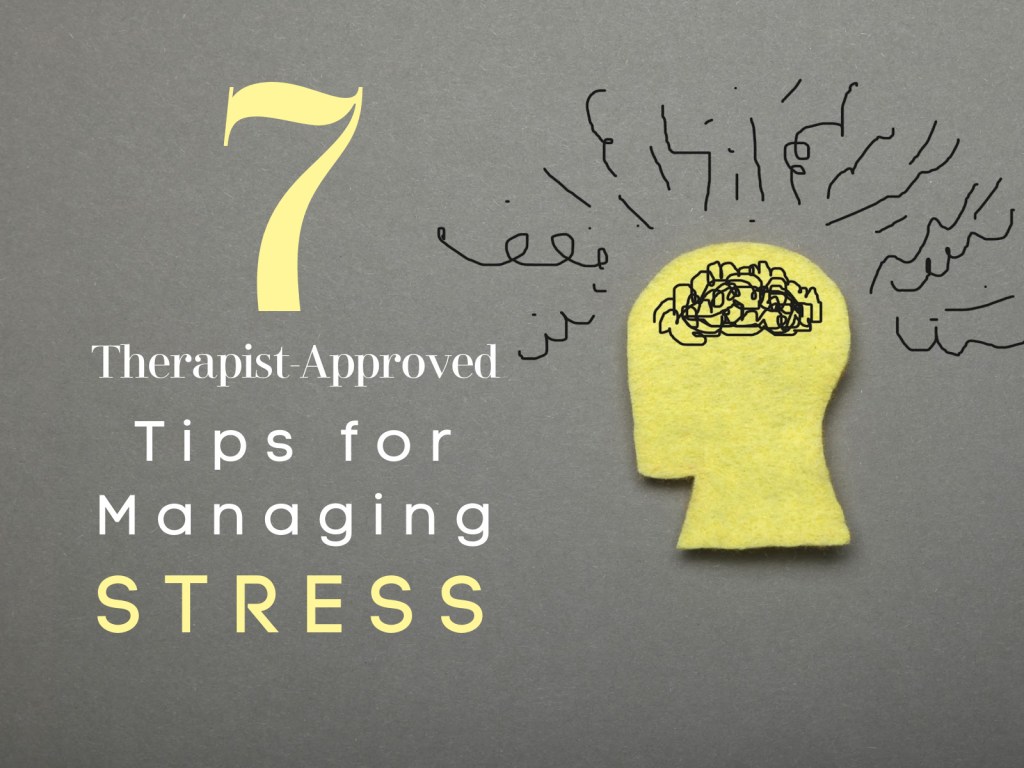
April is Stress Awareness Month, a time when we reflect on the role of stress in our everyday lives. Stress is detrimental not only to our mental well-being, but our physical health as well. While I have seen how destructive stress can be over time, as a therapist I have witnessed the positive impact of stress-reduction strategies and exercises. Meanwhile there are plenty of stress-inducing situations we can’t control, taking time to actively address stress in exercises and reflection can significantly reduce stress over time. In this article, I will share seven tips for promoting your mental health during Stress Awareness Month.

#1 Prioritize Self-Care
If you want to address stress, you have to start with its owner: you. If you don’t prioritize it, your well-being can be pushed to the wayside when stress comes your way. Self-care deserves to be a priority for your time and efforts. This should be reflected, not neglected, in your daily schedule. For effective self-care, you must deliberately make time in your day to include an activity that you know you enjoy and helps you calm your mind. This can consist of hobbies, deep breathing, walking, or anything that nourishes your mind and body. Always remember, self-care is not selfish, it is putting the oxygen mask on yourself before you can help someone else.
#2 Practice Stress Management
Meanwhile it is important to take care of yourself outside of stressful situations, it is important to practice calming yourself when you are in one. You can be proactive about your response to stress by practicing relaxation techniques such as deep breathing, guided imagery, meditation, or progressive muscle relaxation. If self-care is the sauna, practicing stress management is the gym. It’s difficult, but if you master a method of calming yourself amidst a stressful situation, then you’re making yourself ready for whatever life can throw at you.
#3 Practice Mindfulness
Being present is one of the best parts of living in the present. Mindfulness means that your attention is wholly diverted to everything currently happening. This means becoming aware of your thoughts, your body, your feelings, and your physical response to stress when it occurs. Mindfulness techniques not only reduce baseline stress, but helps you become aware of increasing stress so that you can address it before it gets to its worst. Meditation, body scans, or even walking in nature can increase mindfulness, which can increase resilience. Mindfulness expands our awareness of what we need to address, but also what we need to appreciate.
#4 Embrace Gratitude
Stress does not disappear in the absence of positive things, but balance will require an increase in appreciation. We will never be stress free, just as much as we will never be free from positive events. Stress will make itself noticeable, but it is then important to identify items in our life to be grateful for. It could be the warmth of your coffee cup, or the smile of a friend. Taking time each day to reflect on these positive aspects can cultivate a balanced mindset and promote overall well-being, even in challenging times.
#5 Establish Boundaries
Your mental health is worth protecting, and boundaries are the guardians. As much as you would look out for a friend, I encourage you to look out for yourself. Boundaries are important to sustainability and can be applied to your time, your money, and your energy. When you are at your limit, say no. Asserting your needs is not inherently rude. You may feel guilty, but I urge you to be understanding for yourself. Others may be disappointed. However, disappointment is a feeling, not a transgression, and your “no’s” are opportunities to allow others to manage that emotion. Prioritizing your needs can increase your self-respect, reduce the chance of burnout in a job or a relationship.
#6 Engage with Social Connections
Loneliness is an epidemic and it is damaging to your mental and physical health. Social connection is core to the human experience, and engaging in healthy relationships can reduce stress. These healthy relationships can be with friends, family, colleagues, and/or neighbors. Social connections allow you to share your thoughts and feelings, reach out for support when you need help, or just share a hearty laugh. You’re not alone, and you are worth empathy and understanding from others. If you ever need their help, know that seeking assistance is not a sign of weakness, but a sign of wisdom and self-respect.
#7 Seek Professional Help
If stress is becoming so pervasive that it impacts your functioning or relationships, it might be a good idea to seek professional help. Therapy or counseling may be beneficial for you as they can provide a safe and supportive environment you can explore your thoughts, feelings, and beliefs about yourself and the world. Mental health professionals can create strategies tailored to your exact needs and provide you with tools to reduce stress and increase fulfillment. Seeing a therapist does not make you “crazy” or broken, it means that you are wise and brave enough to address your own needs.
Bring it All Together
Stress Awareness Month is a reminder of the impact of stress, but also a call to action to do something about it. This means prioritizing your own health, and being proactive with coping strategies and self-care. By taking the time to address your stress levels, you can incorporate exercises that can boost resilience, protect your mental health, and sustain you through adversity. More attention to your mental well-being is not selfish, it is self-sustaining. A practice that can support you through the highs and lows of life while being the person you want to be.

Want to Know More?
Thanks for reading! If you are interested in starting a therapy journey of your own, feel free to visit greatlakesmentalhealth.com for more information.
Better Begins Today!


 Reflections
Leave a comment